cold storage scale model
Everything on model trains, model railroads, model railways, locomotives, model train layouts, scenery, wiring, DCC and more. Enjoy the world's best hobby... model railroading!

If your trains are simply circling the track, it might be time to add something more meaningful to your layout. One of the best ways to improve model railroad realism is by introducing industries that give your trains a clear job to do.
Real railroads exist to move goods between industries… and your layout should reflect that. By adding a mix of industries, sidings, and interchanges, you can transform your setup into a working miniature transportation system. This not only looks more authentic but also creates engaging and varied operating sessions.
Whether you’re building a compact switching layout or a larger model railway, here are four powerful industry ideas to get you started.
An interchange track is one of the simplest yet most effective additions to any model railroad. It represents a connection to another railway, allowing freight cars to enter and leave your layout.
This setup gives you maximum flexibility. You can introduce almost any type of rolling stock… tank cars, boxcars, hoppers… without needing to model every industry they serve. It’s also perfect for smaller layouts, where space is limited but operational variety is still desired.
Interchange tracks add realism by simulating:
With just one or two interchange tracks, your layout can feel much larger and far more dynamic.
A chemical plant is an excellent choice for modelers wanting operational variety in a relatively small space. These facilities can represent anything from plastics manufacturing to pharmaceuticals.
They typically handle multiple types of freight, including:
This variety creates interesting switching challenges, especially when different cars must be spotted at specific locations within the plant.
From a scenic perspective, chemical plants offer great visual appeal. Storage tanks, pipes, safety signage, and industrial structures add depth and realism. You can even model the plant as a low-relief structure along the backdrop to save space while still achieving a convincing look.
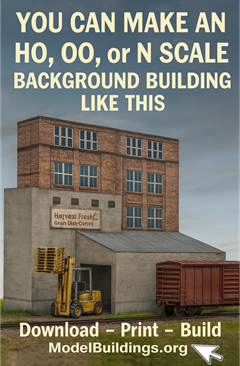
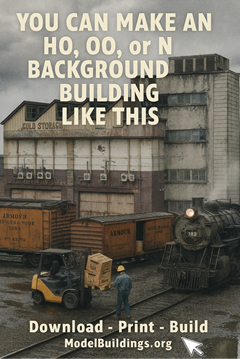
A meat packing plant or cold storage facility is a traditional industry that fits perfectly into transition-era and urban layouts. It brings a strong sense of purpose and historical realism to your railroad.
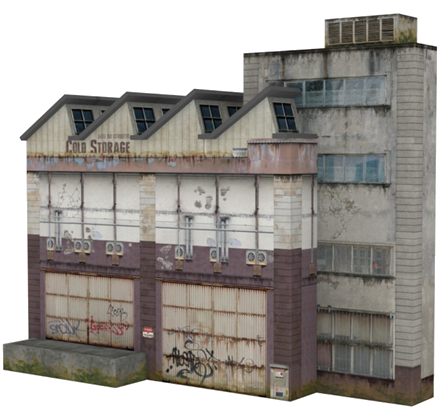
Typical operations include:
These plants often operate on tight schedules, making them ideal for time-based operations on your layout.
From a scenery standpoint, you can include livestock pens, loading ramps, weathered buildings, and piping systems. This industry also pairs well with nearby stockyards or rural branches, allowing you to expand your operations even further.
If your layout features countryside or small-town scenes, a milk processing plant is a fantastic addition. It creates a natural link between rural farms and urban consumers.
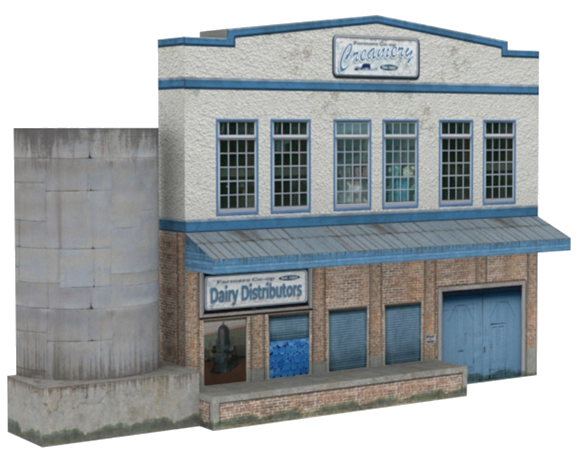
Operations might include:
Milk trains were once a common sight, making this industry ideal for those who enjoy running short, frequent local services.
Despite its relatively small footprint, a milk plant can be rich in detail. Add loading docks, storage tanks, and delivery vehicles to bring the scene to life.
These four industries are just the beginning. There are countless model railroad industry ideas you can incorporate depending on your space and interests.
Some additional possibilities include:
The key to realistic operations is connecting industries together. For example:
This creates a logical flow of freight across your layout, making operations more engaging and believable.
Adding industries also increases switching activity, which is where model railroading becomes truly interactive. Consider:
This approach keeps your trains busy and adds variety to each operating session.
Adding industries is one of the most effective ways to improve model railroad operations and realism. Instead of trains running aimlessly, they now have destinations, schedules, and tasks to complete.
Start small with a few well-chosen industries, then expand as your layout grows. By connecting industries, adding interchanges, and planning your freight flow, you’ll create a model railroad that feels alive and purposeful.
And this is just Part 1… there are many more industry ideas to explore in the next installment!