model train industry ideas
Everything on model trains, model railroads, model railways, locomotives, model train layouts, scenery, wiring, DCC and more. Enjoy the world's best hobby... model railroading!

If you want your layout to feel like a real working railroad, adding industries is essential. In Part 1, we covered four powerful industry ideas to get you started. Now, in Part 2, we’ll explore 14 more realistic model railroad industries that will dramatically improve operations, variety, and overall realism.
A well-designed model railroad doesn’t just move trains… it moves freight with purpose. By connecting industries, adding interchange traffic, and simulating real-world logistics, you create a layout that feels alive.
Let’s dive into the next set of model railway industry ideas to inspire your layout.
An auto manufacturing plant is one of the busiest industries you can model. It generates a wide range of rail traffic, including:
This type of industry is perfect for larger layouts and adds continuous, high-volume operations.
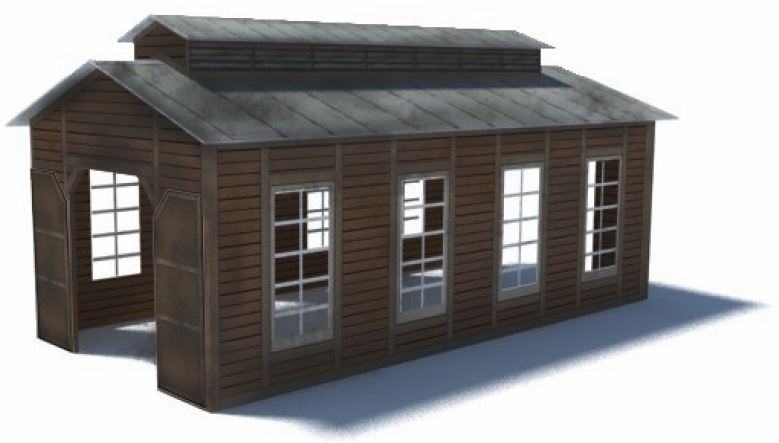
A car repair shop is a compact but highly functional industry. It handles maintenance and repairs for freight cars, making it ideal for:
It’s a great way to add operational interest without needing a lot of space.
A car cleaning facility explains why your rolling stock looks well-maintained. It can handle tank cars, hoppers, and boxcars, adding variety to your operations.
This industry works especially well near yards or industrial areas and adds a touch of realism often overlooked on layouts.
For something different, consider a car ferry or float operation. This adds both visual appeal and operational challenges.
Trains must be carefully loaded and unloaded to match ferry schedules, creating engaging switching tasks and time-based operations.
A rip track is used for light railcar repairs. It requires minimal space… just a spur with tools, parts, and a bit of clutter.
Despite its simplicity, it adds daily operational activity and enhances yard realism.
A team track is a public siding used by businesses without their own rail access. It’s one of the most versatile additions you can make.
You can spot almost any type of freight car here, including:
Perfect for small layouts, it keeps operations varied and interesting.
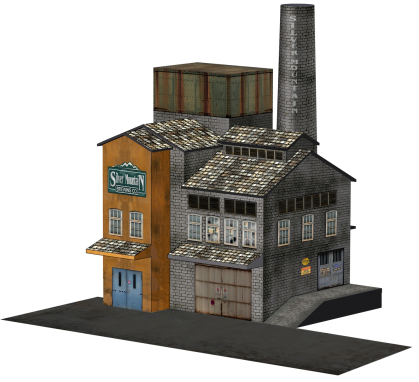
A brewery is a fantastic industry with diverse rail traffic. It can receive:
And ship out beer in reefers or boxcars. Add barrels, tanks, and signage for a visually rich scene.
A bottling plant works well in limited space and pairs nicely with a brewery or food industry.
Tank cars can deliver syrup or liquids, while boxcars handle packaging materials. The main structure can be modeled as a low-relief building to save space.
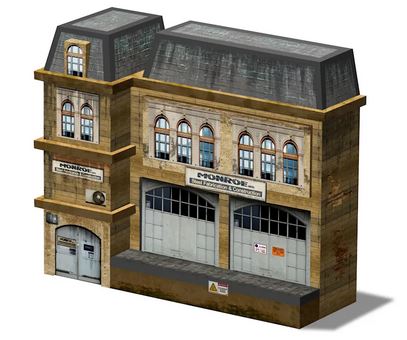
A steel mill is one of the most impressive industries you can include. It requires significant space but offers unmatched operational complexity.
Inbound loads include coal, iron ore, and limestone, while outbound traffic includes steel products on flatcars and gondolas. Internal movements with slag cars and hot-metal cars add even more realism.
A flour mill is a medium-sized industry that provides steady operations. Grain arrives in hoppers, and finished flour is shipped out in boxcars or specialized hoppers.
It’s a perfect link between agricultural and urban scenes.
A paper mill is a busy and highly believable industry. It handles:
This industry creates constant movement and varied freight operations.
A logging operation and sawmill fits perfectly into mountainous or forested layouts.
Logs arrive via flatcars or skeleton cars, and finished lumber ships out in boxcars or flatcars. It’s a natural fit for scenic railroads.
Your engine facility can function as an industry too. It requires:
This adds another layer of operational realism to your layout.
A generic or “mystery” industry gives you total freedom. Use a simple building labeled with a company name and assign it any freight traffic you like.
You can also create hidden or off-scene industries behind backdrops or trees, allowing trains to “disappear” and reappear with new loads.
The real magic happens when you link industries together. For example:
This creates a logical flow of goods and keeps your trains busy with meaningful tasks.
Adding industries transforms your layout from a simple display into a purpose-driven model railroad. Each train movement becomes part of a bigger story… delivering goods, picking up loads, and connecting businesses.
Start with a few industries that suit your space, then expand over time. Mix large and small operations, include interchange tracks, and create realistic freight flows.
Most importantly, build a layout that you enjoy operating. With the right mix of industries, your model railroad will feel alive, engaging, and endlessly interesting every time you run a train.