Everything on model trains, model railroads, model railways, locomotives, model train layouts, scenery, wiring, DCC and more. Enjoy the world's best hobby... model railroading!
Colors and Textures: The Key to Realistic Layouts
When it comes to creating a realistic model layout, colors and textures play an essential role in bringing your scene to life. Realism is all about mimicking the colors and textures of the real world. By paying close attention to these details, you can add depth and authenticity to your creations.
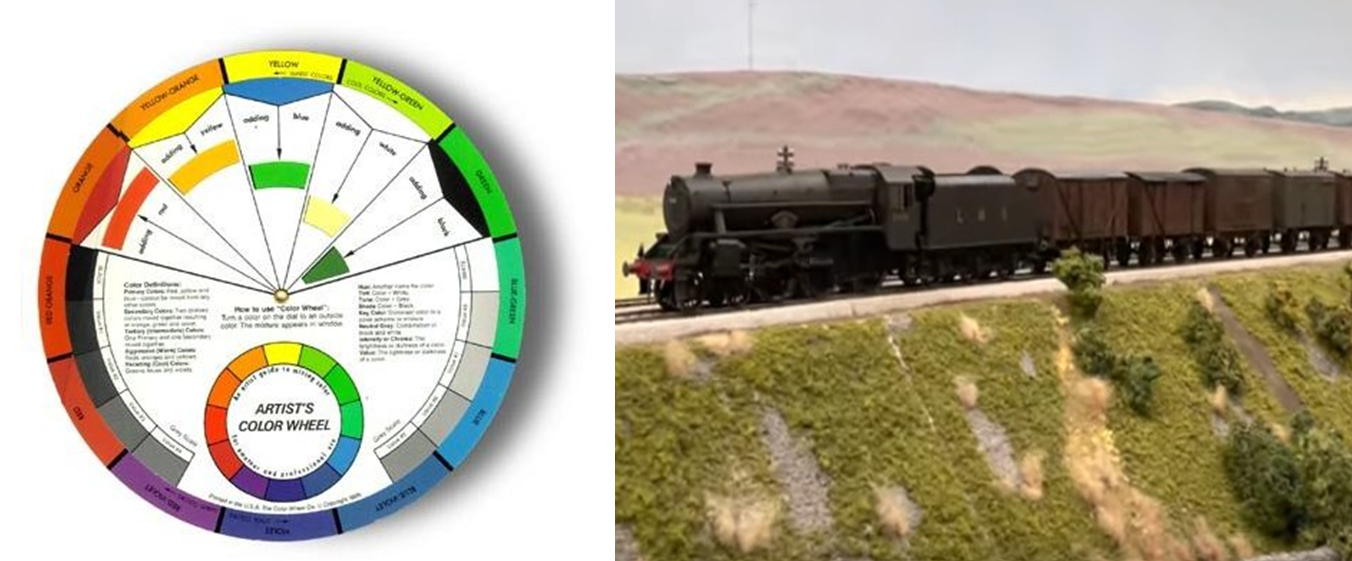
Acrylic paints are your best friend in this process. These water-based paints are not only easy to work with but can also be thinned to the perfect consistency for different techniques. The added bonus? Cleaning up is a breeze. Unlike oil paints that require solvents like mineral turpentine, acrylics can be cleaned with plain water, making them much more convenient for brush and airbrush users.
To achieve a truly natural look, experiment with various colors and textures. Play around with different patterns and arrangements to simulate real-world wear and tear, such as weathering effects. This helps make your layout feel like it’s been through the test of time.
When selecting colors, aim for natural hues that reflect real-world environments. Greens, browns, and grays should be your primary palette, as these shades are commonly found in nature. If you’re working on a winter scene, white can be added for snow effects. White also works well as a base for mixing lighter shades, which is helpful for creating highlights and softer transitions.