Everything on model trains, model railroads, model railways, locomotives, model train layouts, scenery, wiring, DCC and more. Enjoy the world's best hobby... model railroading!
Model Railroad Track Planning Tips: Using Sidings for Smooth, Realistic Train Operations
Start With Planning Your Trackwork
Good model railroad trackwork is about far more than laying track neatly on the layout base. Smart track planning plays a huge role in how smoothly your trains operate… especially once you start running more than one train. Without proper planning, even a great-looking layout can suffer from delays, constant stopping, and frustrating operating problems.
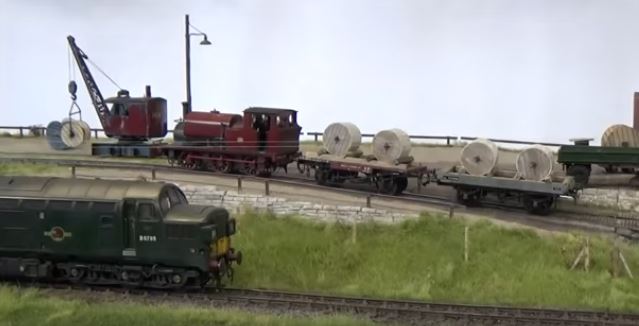
Bentley Model Railway Groups TrainWest Show at Corsham
When only a single train is running, most layouts perform reasonably well. The moment you introduce a second or third train, however, poor track design quickly becomes obvious. Trains may be forced to stop and wait, passings become awkward, and the overall flow of rail traffic slows dramatically. This is where passing sidings become essential.
Add Sidings
Adding multiple sidings is one of the most effective ways to improve model railroad operations. With three or more well-placed sidings, trains can meet and pass each other smoothly, allowing continuous movement rather than frequent stops. One train can pull into a siding while another passes, keeping operations fluid and realistic.
Layouts with only two sidings can still function, but operations tend to feel rushed. Trains must move quickly between sidings to avoid delays, which often leads to unrealistic running speeds and reduced enjoyment. With just a single siding, operations become very limited… one train must wait while the other completes its run, making multi-train operation impractical.
Siding length is just as important as siding quantity. Each siding must be long enough to hold the longest train you plan to run. A siding that cannot accommodate even your shortest train offers little operational value. Before laying track, measure your typical train lengths and design sidings accordingly. Longer sidings provide greater flexibility and reduce operating stress.
Space limitations will always influence track design, but even small layouts benefit from thoughtful siding placement. Strategic use of sidings can dramatically improve operational realism without adding excessive complexity.
In short, effective model railroad track planning focuses on how trains move, meet, and pass… not just how the track looks. By incorporating enough properly sized sidings, you’ll enjoy smoother operations, fewer bottlenecks, and a layout that feels far more like a real railroad.
Subscribe
Login
0 Comments
Oldest
SUBMIT YOUR QUESTION