Everything on model trains, model railroads, model railways, locomotives, model train layouts, scenery, wiring, DCC and more. Enjoy the world's best hobby... model railroading!
Model Train Weathering Techniques: Make HO, N & OO Scale Layouts Look Realistic
Why Weathering Is Essential for Realistic Model Railroad Scenery
If you want your model railroad layout to look realistic, weathering is one of the most powerful techniques you can use. Whether you model in HO scale, N scale, or OO scale, adding signs of age, dirt, and wear instantly transforms your trains and scenery from “toy-like” to believable.
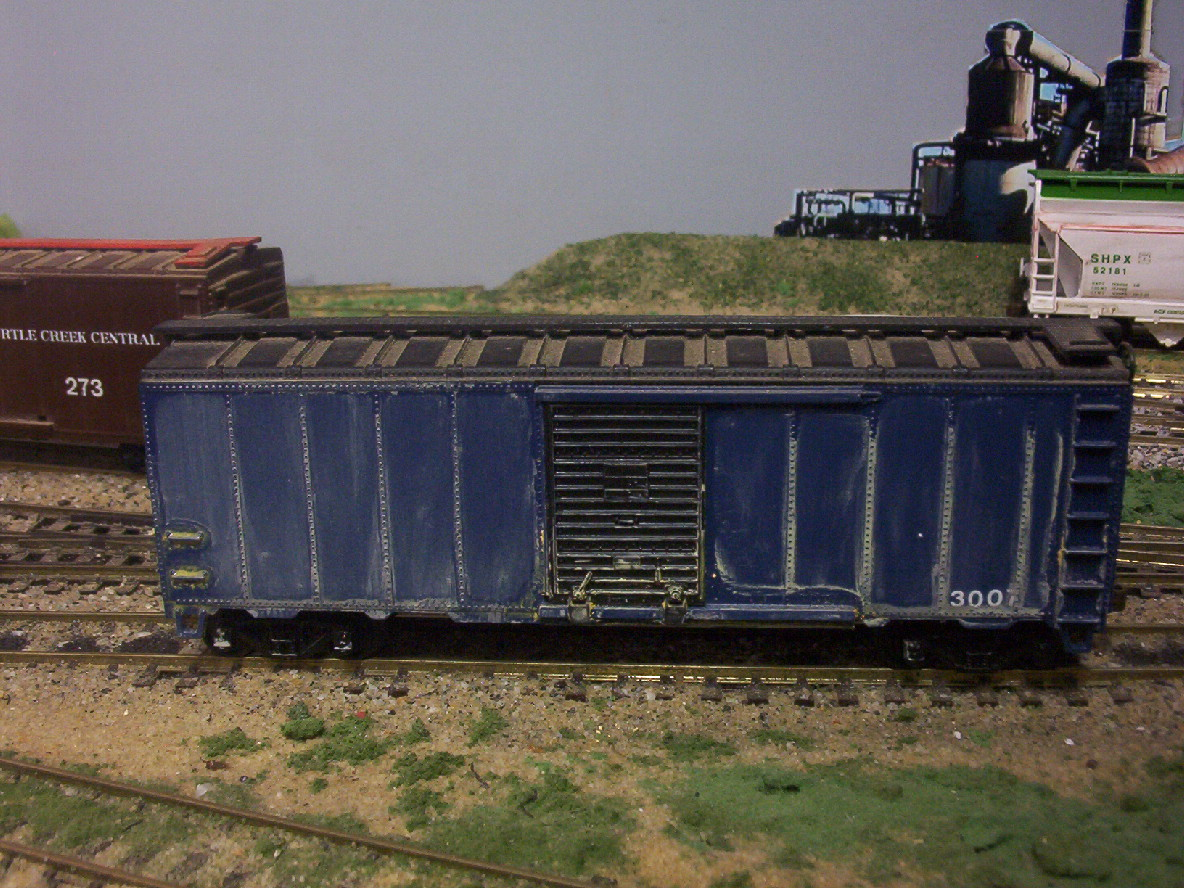
Think about the real world for a moment. A brand-new car doesn’t stay shiny for long. After just a few weeks, dust, rain, and grime begin to dull the finish. The same thing happens to buildings, railcars, and infrastructure. Over time, everything outdoors becomes faded, dirty, and worn.
That’s exactly the effect you want to recreate on your model railroad.
What Is Model Train Weathering?
Model train weathering is the process of adding realistic wear and tear to your layout elements. This includes:
- Locomotives and rolling stock
- Buildings and industrial structures
- Track, ballast, and surrounding scenery
The goal is simple: replicate the effects of time, weather, and use.
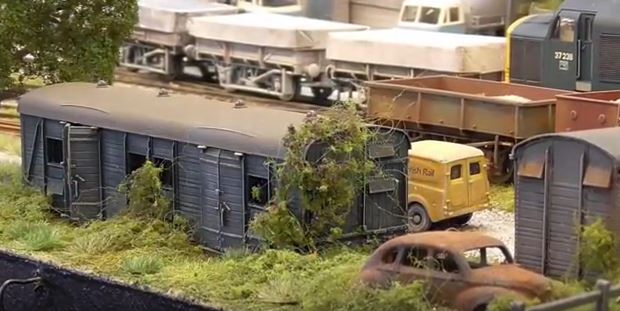
Without weathering, even the most detailed models can look artificial. But with the right techniques, you can create a layout that feels like a snapshot of the real world.
Why Clean Models Look Unrealistic
One of the most common mistakes modelers make is placing perfectly clean trains and buildings on their layout. While they may look impressive straight out of the box, they don’t reflect reality.
In real life:
- Freight cars are covered in dust, rust, and grime
- Locomotives show oil stains and exhaust marks
- Buildings fade, peel, and deteriorate over time
Railroads are also known for being cost-conscious. Equipment and structures are rarely repainted unless absolutely necessary. This means most real-world rail scenes have a worn, gritty appearance.
By weathering your models, you capture that authentic look.
Weathering Model Trains for Realism
Weathering your locomotives and rolling stock is one of the best ways to enhance realism.
Common effects to add include:
- Dust and dirt along the lower panels and wheels
- Rust streaks on metal surfaces
- Oil and grease stains around moving parts
- Exhaust soot on locomotive roofs
Even subtle weathering can make a huge difference. A lightly dusted freight car often looks far more convincing than a factory-fresh one.
How Weathered Buildings Improve Your Layout
Weathering isn’t just for trains… it’s equally important for model railroad buildings and structures.
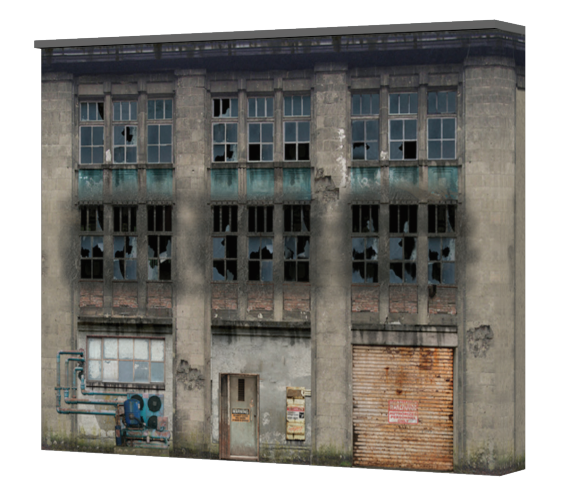
Real buildings rarely look new. Over time, they develop:
- Faded paint from sun exposure
- Water stains and streaks
- Cracks, peeling surfaces, and grime buildup
- Rust around metal fixtures and roofing
By applying these effects to your model buildings, you create a more believable environment. A weathered structure tells a story… it suggests age, use, and history.
For example:
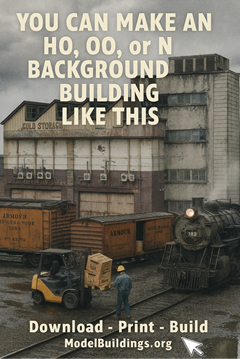
- A factory with soot-stained walls looks active and industrial
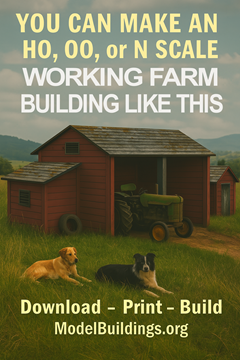
- A worn farmhouse suggests years of exposure to the elements
- A faded storefront adds character to a town scene
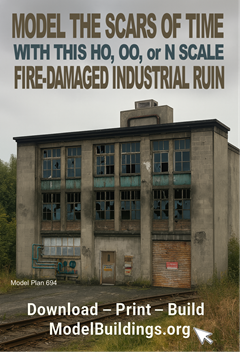
https://www.modelbuildings.org/derelict-railroad-models
When your buildings look realistic, the entire layout benefits.
Easy Weathering Techniques for Beginners
The good news is that weathering model trains and scenery is easier than you might think. You don’t need expensive tools or advanced skills to get started.
Here are a few simple methods:
1. Chalks and Weathering Powders
These are perfect for beginners. You can apply them with a brush to create dust, dirt, and rust effects. If you’re not happy with the result, they can be wiped off and reapplied.
2. Dry Brushing
Lightly brushing a small amount of paint onto raised surfaces highlights detail and creates a worn look.
3. Washes
A thin mix of paint and water can be applied to flow into cracks and crevices, adding depth and shadow.
4. Airbrushing (Optional)
For more advanced modelers, airbrushing allows for smooth, realistic layers of grime and fading.
Match Weathering to the Environment
Not everything weathers the same way. The level and type of weathering should match your layout’s setting.
For example:
- Rural layouts may feature dusty trains and lightly weathered buildings
- Industrial areas often have heavy grime, soot, and rust
- Coastal scenes may show salt corrosion and faded paint
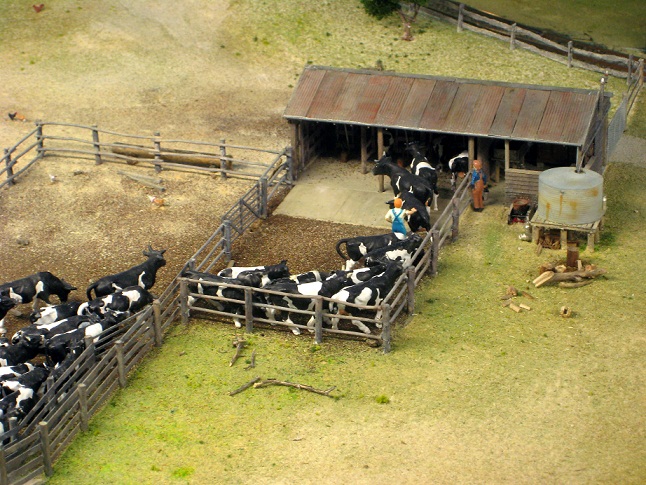
Studying real-life reference photos can help you apply weathering more accurately.
Test Before You Commit
Before weathering an important model, it’s always a good idea to test your techniques first.
Try practicing on:
- An old or inexpensive freight car
- Scrap plastic or wood
- Spare building kits
This allows you to experiment and build confidence without risking your best models.
Less Is Often More
One key tip: don’t overdo it. Subtle weathering often looks more realistic than heavy, exaggerated effects.
Start light, then gradually build up layers until you achieve the desired look.
Last Thoughts: Bring Your Model Railroad to Life
Weathering is one of the most effective ways to improve model railroad realism. By adding dirt, fading, rust, and wear to your trains, buildings, and scenery, you create a layout that feels authentic and lived-in.
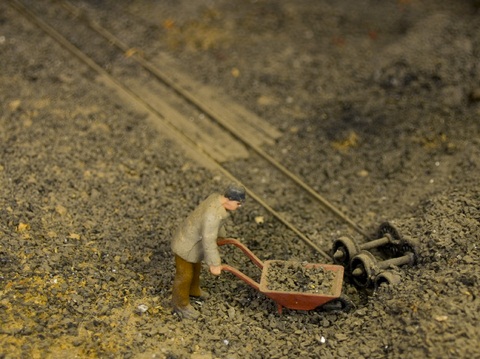
The best part? It’s affordable, forgiving, and easy to learn.
Take your time, experiment with different techniques, and observe the real world for inspiration. With a little effort, your HO, N, or OO scale layout can go from looking like a collection of models to a believable miniature world full of character and life.
Subscribe
Login
0 Comments
Oldest
SUBMIT YOUR QUESTION