model railroad weathering for beginners
Everything on model trains, model railroads, model railways, locomotives, model train layouts, scenery, wiring, DCC and more. Enjoy the world's best hobby... model railroading!

One of the fastest and most affordable ways to improve the realism of a model railroad is through weathering. Whether you model in HO scale, N scale, or OO gauge, adding realistic signs of age, dirt, rust, and wear can transform a layout from looking like a collection of toys into a miniature world that feels authentic and believable.
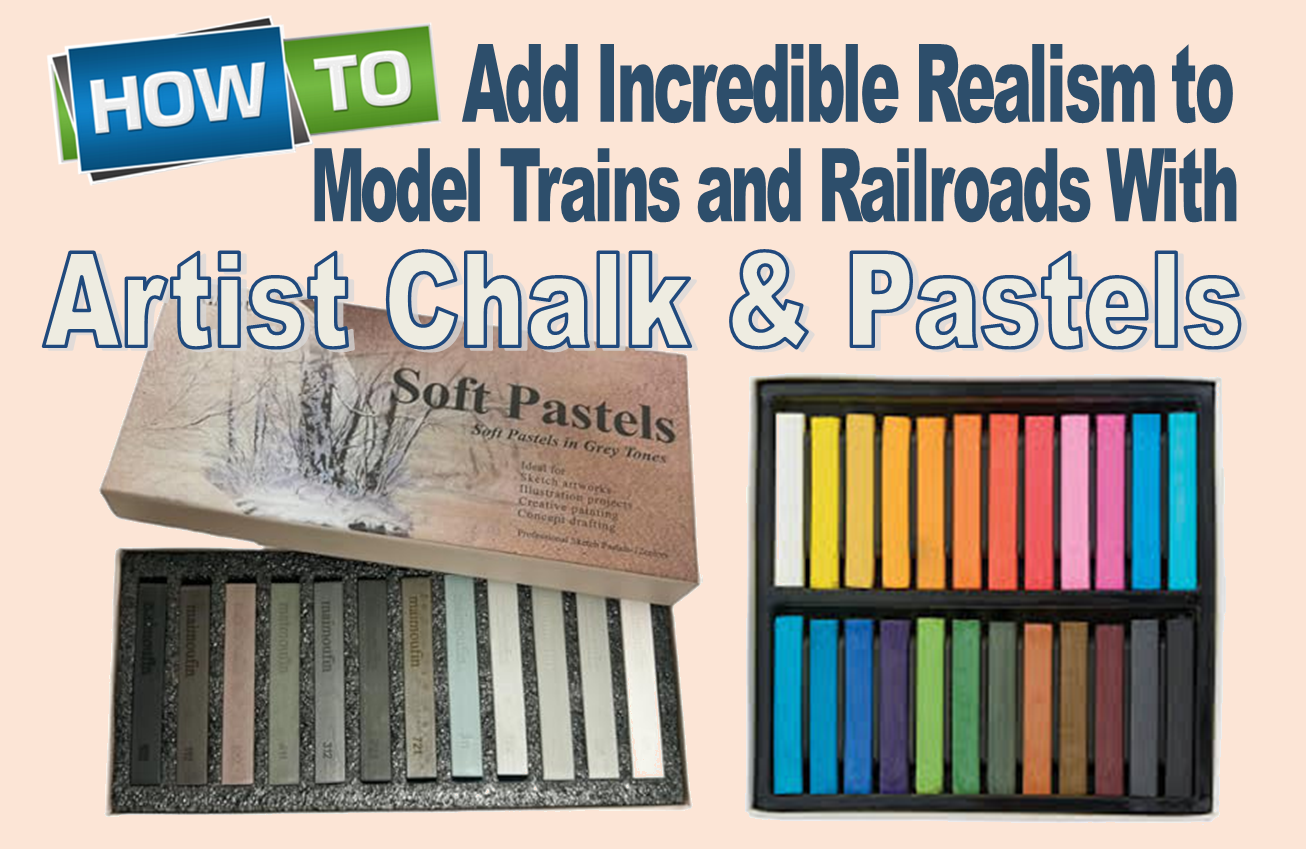
Among the many weathering methods available, artist chalks and weathering powders remain popular because they are easy to use, inexpensive, forgiving, and capable of producing outstanding results.
Take a look around the real world. Very few buildings, vehicles, railroad cars, or industrial structures remain perfectly clean and shiny for long. Sunlight fades paint, rain leaves stains, dust accumulates, and metal surfaces rust.
The same principle applies to model railroads. Brand-new locomotives, freight cars, buildings, and scenery often look unrealistic because they lack the subtle signs of everyday use. Weathering helps capture the character of the real railroad environment.
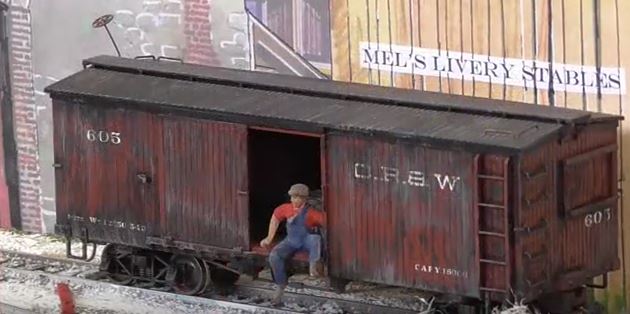
A lightly weathered freight car, a rusty corrugated roof, or a dirt-stained engine shed instantly adds visual interest and realism to a scene.
Before getting started, it helps to remember two basic weathering principles:
Nature tends to mute and soften colors over time. Most weathering effects involve shades of brown, gray, black, rust, dust, and faded earth tones.
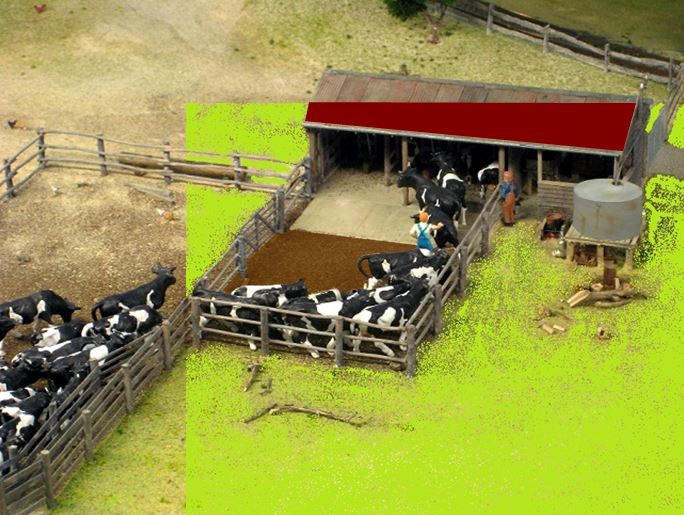
Bright colors can quickly make weathering look unrealistic.
Real railroad equipment is usually dusty, dirty, faded, or weather-beaten. Glossy finishes often create a toy-like appearance. A flat or matte finish generally looks much more convincing.
Artist pastels are available from most craft and art supply stores and come in a wide variety of colors. For model railroad weathering, focus primarily on:
Weathering powders are another excellent option. Unlike traditional chalks, many commercial weathering powders contain ultra-fine particles that closely resemble real rust, dirt, soot, and grime. Many products also include binding agents that help the powder adhere to surfaces more effectively.
Both options can produce excellent results.
Most modelers use artist chalks in powder form rather than applying them directly from the stick.
Creating powder is simple:
Preparing several colors at once allows you to blend different shades and create more natural-looking weathering effects.
Weathering works best when applied gradually. A soft, fine-tipped brush gives excellent control over where the powder goes.
Begin by studying photographs of real trains, railroad buildings, bridges, or structures similar to the model you’re working on.
Notice where dirt naturally collects:
Apply small amounts of powder in these areas first.
The beauty of chalk weathering is that mistakes are easy to correct. If you’re not happy with the result, simply wipe it away and try again.
Different colors create different weathering effects:
Use reddish-brown and dark rust shades around:
Tan, gray, and earth tones work well for:
Black and dark gray powders are ideal for:
Building layers gradually creates a much more convincing finish than applying a single heavy coat.
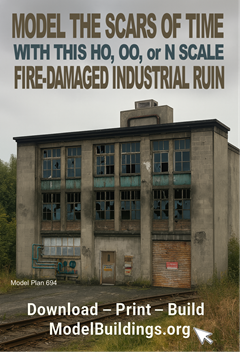
Weathered buildings add enormous realism to any model railroad scene.
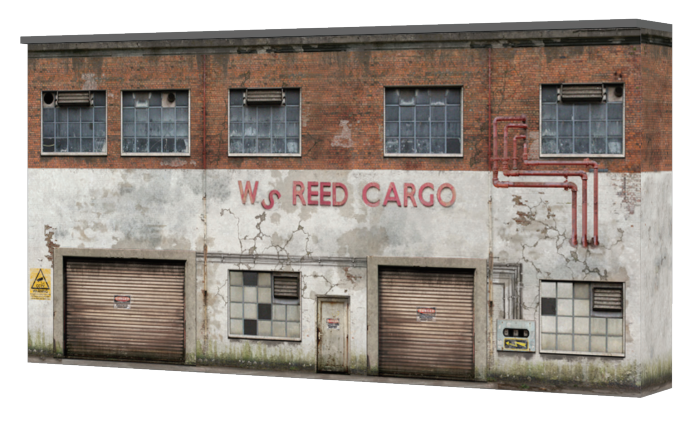
Real structures rarely remain perfectly painted. Roofs fade, walls accumulate grime, and water stains develop around windows and gutters.
Use weathering powders to create:
Even subtle weathering can make a structure appear decades older and much more realistic.
Artist chalks and powders aren’t limited to trains and buildings.
They can also enhance:
Adding subtle color variations helps eliminate the uniform appearance often found on new layouts.
Once you’re satisfied with the results, seal the weathering using a flat clear finish such as Testors Dullcote or a similar matte spray.
This helps:
Some modelers apply multiple light coats during the weathering process, building layers gradually until the desired effect is achieved.
Weathering with artist chalks and weathering powders is one of the easiest and most effective ways to improve the realism of a model railroad. Whether you’re working on HO scale locomotives, N scale freight cars, OO gauge buildings, or entire scenic areas, these simple techniques can dramatically enhance the appearance of your layout.
The best part is that weathering is highly forgiving. Start slowly, study real-world examples, and experiment with different colors and effects. With a little practice, you’ll be amazed at how quickly chalks and powders can transform ordinary models into realistic miniature replicas that bring your railroad scene to life.