Everything on model trains, model railroads, model railways, locomotives, model train layouts, scenery, wiring, DCC and more. Enjoy the world's best hobby... model railroading!
How Steep Should You Make Your Model Train Track? A Guide to Avoiding Derailments, Motor Burnout, and Traction Issues
One of the most common questions among model railroad enthusiasts is: How steep should I make the slope of my track? This concern usually stems from potential issues like derailments, motor burnout, and poor wheel traction. To help you strike the perfect balance between functionality and performance, let’s break down the key factors involved in determining the ideal track gradient.

The 3% Rule of Thumb
As a general rule, you should aim for no more than a 3% slope. This means for every 100 inches of track, you would have a 3-inch rise in elevation. At this slope, you are unlikely to encounter significant issues, such as derailments or overloading the motor.
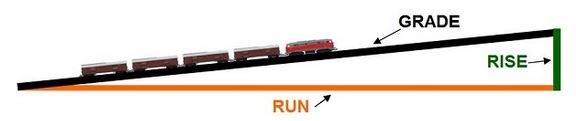
To put it into perspective, a 3% grade translates to a rise of approximately 3/4 inch for every 2 feet of track. If you can maintain this grade, your trains should run smoothly under typical conditions.
Can You Go Steeper?
If you’re running shorter trains, you might be able to push the grade slightly steeper without causing issues. However, there’s a trade-off. The steeper the slope, the harder the locomotive has to work to pull the train, which can result in motor burnout. Traction tires can help with this, allowing you to tackle steeper grades with longer trains. But, be mindful that the motor still has to work harder, and overloading it could lead to premature failure.
Shorter Grades for Shorter Runs
Another option is to use shorter grades. In cases where only part of the train is on the incline at any given time, you can increase the grade slightly. For example, if you’re planning a short climb, the entire length of the train may never be affected by the steep slope. This can provide a more forgiving experience, as the locomotive won’t have to work as hard over longer distances.
The Best Approach: Gentle Slopes
If you want your trains to run with minimal issues and the longest possible run, it’s always best to opt for the most gradual incline possible. Keeping the grade gentle reduces the strain on your motor, ensures better wheel traction, and generally improves the reliability of your layout.
A Note on Curves
If the incline also includes a curve, it’s essential to make the grade even less steep. Curves add additional drag to the train, and a steeper grade on a curve can increase the chances of derailments and motor strain. To prevent these problems, keep your curves as gentle as possible when adding elevation changes.
Conclusion
In summary, when designing your model train layout, a 3% slope is generally the sweet spot. It offers a good balance between performance and motor safety. If you’re planning to go steeper, ensure you’re running shorter trains or using traction tires to help with traction. And remember, when your track includes curves, reduce the grade to minimize drag and prevent derailments. By keeping these factors in mind, you can enjoy smooth, reliable train operation while avoiding common problems like motor burnout or derailments.
Subscribe
Login
0 Comments
Oldest
SUBMIT YOUR QUESTION