Everything on model trains, model railroads, model railways, locomotives, model train layouts, scenery, wiring, DCC and more. Enjoy the world's best hobby... model railroading!
Turnout Placement Tips for Reliable and Realistic Model Railroad Trackwork
When planning a model railroad layout, turnout location plays a major role in how smoothly your trains run and how realistic your trackwork looks. Poorly placed turnouts can lead to derailments, awkward train movements, and track that simply doesn’t look right. Taking the time to plan ahead will save frustration later.
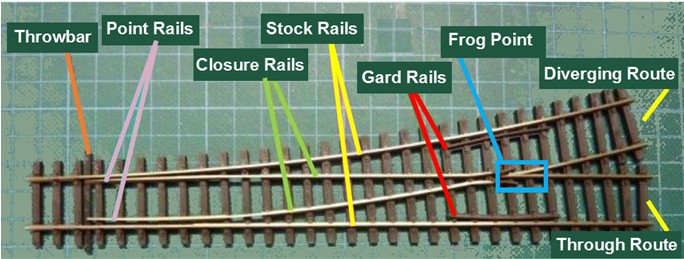
Before laying any track, sketch your full track plan on paper or using layout design software. Clearly mark where each turnout will go and how it connects to both straight and curved track sections. This makes it easier to check alignment and avoid last-minute adjustments that can compromise reliability.
Whenever possible, place your mainline on the straight leg of a turnout, just as real railroads do. Running mainline traffic through the curved leg increases side forces on wheels and couplers, which can cause problems… especially with longer rolling stock. Keeping the mainline straight through turnouts improves both operation and appearance.
Be especially careful to avoid tight S-curves created by turnouts placed too close together or connected directly to opposing curves. Adding short straight sections between curves helps trains transition smoothly and reduces derailments.
Also consider turnout length. Larger, longer turnouts may require extra space but provide gentler curves and better performance. Finally, don’t forget the space needed beneath or beside the turnout for switch machines or manual throw mechanisms. Planning for these details early ensures smooth, dependable operation and a layout that looks right from every angle.
Subscribe
Login
0 Comments
Oldest
SUBMIT YOUR QUESTION