Everything on model trains, model railroads, model railways, locomotives, model train layouts, scenery, wiring, DCC and more. Enjoy the world's best hobby... model railroading!
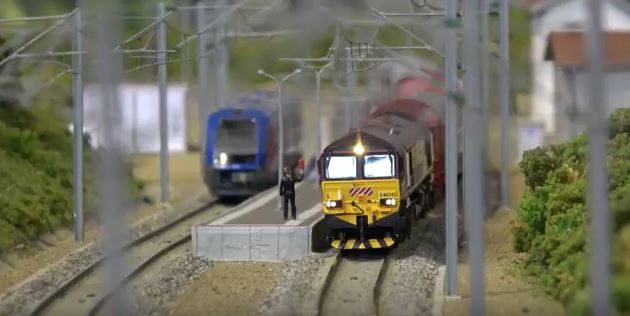
There comes a point in every model railroader’s journey when watching trains circle endlessly around an oval just isn’t enough anymore. At first, a basic loop is perfect… it’s affordable, easy to build, and a great way to learn the fundamentals. But sooner or later, inspiration strikes. Maybe it was a magazine article, a YouTube video, or a stunning layout you saw at a model train exhibition. Suddenly, you’re no longer content with a “toy train” setup. You want something more realistic, more engaging, and far more rewarding to operate.
That moment marks the shift from casual train owner to serious model railroader.
However, starting your first real model railroad layout is also where many people run into trouble. The planning stage is the most critical part of the entire project, yet it’s often rushed or underestimated. Decisions made early… especially about track configuration and space usage… can have long-lasting effects on how realistic your layout looks and how enjoyable it is to operate.
Mistakes made during construction can often be fixed later. Scenery can be reworked, buildings moved, and details refined as your skills improve. Track planning errors, however, are much harder to correct once rails are laid, wiring is installed, and scenery is built around them.
Poor planning can lead to tight curves, awkward track flow, limited train operations, and constant derailments. Even worse, it can leave you with a layout that simply isn’t fun to run. That’s why careful thought at the beginning can save enormous amounts of time, money, and frustration later.
There’s a big difference between improving a layout and rebuilding one from scratch. Most model railroaders continuously upgrade their railroads as they learn new techniques. That’s a healthy and enjoyable part of the hobby.
The problem arises when a layout must be torn apart because the original design doesn’t work operationally. If trains can’t pass each other smoothly, sidings are too short, or the track plan feels cramped and unrealistic, enthusiasm quickly fades. Good planning helps ensure your layout can grow and evolve rather than needing major surgery.
Many beginners focus heavily on choosing a track plan without first considering whether it makes sense for their space, goals, and operating style. While track plans are helpful, they’re not a magic solution.
Before committing to any design, ask yourself some important questions:
Answering these questions helps define what kind of layout will actually work for you… not just what looks good on paper.
Track planning isn’t something most people master instantly. It’s an acquired skill that improves with experience, observation, and learning from others. One of the smartest things you can do is study layouts that work well… and also learn from layouts that don’t.
See these useful Model Railroading E-book Best Buys
There’s no need to repeat common mistakes that countless model railroaders have already made. Tight curves everywhere, too few sidings, unreachable track sections, and unrealistic track arrangements are all avoidable with a little forethought. If you do make mistakes, try to make new ones… at least you’ll learn something valuable.
A well-planned model railroad should look believable and operate smoothly. Track should flow naturally through the scene, trains should have places to meet and pass, and the layout should feel purposeful rather than random. This doesn’t mean complicated… it means thoughtful.
Even modest layouts can feel expansive and realistic when the space is used wisely. Smart planning allows you to get the most enjoyment from the room you have, rather than constantly wishing for more space.
Moving beyond a simple oval is an exciting step in the model railroading hobby. It’s where creativity, problem-solving, and long-term enjoyment really begin. Take your time, think logically, and plan with intention. The more care you put into the early stages, the more satisfying… and successful… your model railroad will be.
A well-planned layout doesn’t just run better… it keeps you motivated, inspired, and enjoying the hobby for years to come.