Everything on model trains, model railroads, model railways, locomotives, model train layouts, scenery, wiring, DCC and more. Enjoy the world's best hobby... model railroading!
Low-Cost Model Train Scenery Ideas That Look Surprisingly Realistic – PART 3
Budget-Friendly Scenery Techniques for HO, OO, and N Scale Layouts
Model railroad scenery can easily become one of the most expensive parts of the hobby… but it doesn’t have to be. In fact, some of the most realistic scenery effects don’t come from hobby shop shelves at all. They come from everyday household items, garden finds, and workshop leftovers.
If you’re building a HO scale, OO scale, or N scale layout and want it to look convincing without draining your wallet, these low-cost scenery ideas will surprise you. They’re simple, effective, and perfect for adding texture, variety, and realism to your model railroad.
Why Cheap Scenery Often Looks More Realistic
Nature is messy, uneven, and full of variation. Ironically, that’s why some commercial scenery products can look artificial… they’re too uniform. When you use natural or improvised materials, you automatically introduce randomness, which helps your layout feel more like the real world.
Let’s dive into nine clever, budget-friendly scenery techniques that work beautifully across all popular model train scales.
1. Tea Leaves and Coffee Grounds for Ground Cover
One of the easiest and cheapest ground textures may already be in your kitchen. Used tea leaves and coffee grounds make excellent soil, forest floor debris, and dried vegetation.
After brewing, spread them out to dry completely… either in the sun or in a low-temperature oven. This prevents mold and improves adhesion. Once dry, sprinkle them over white glue or scenic cement and mist lightly to lock everything in place.
Tea leaves work especially well for fine textures, while coffee grounds give you a darker, richer soil look. The result is subtle, realistic ground cover at virtually zero cost.
2. Cheap Bushes from Steel Wool or Scrubbing Pads
Fine-grade steel wool or plain kitchen scrubbing pads can be turned into convincing bushes and low shrubs. Pull them apart gently to create irregular shapes… avoid neat clumps.
Spray the material with dark green or brown paint, then sprinkle on turf or flocking while the surface is still tacky. Once dry, glue the bushes into place along fence lines, embankments, or trackside areas.
This method produces excellent texture and works especially well for HO and OO scale scenery.
3. Cotton Wool for Distant Trees and Bushes
Cotton wool balls are ideal for background scenery where you want shape without heavy detail. Pull the cotton apart into loose clumps and attach them to hillsides or backdrop edges.
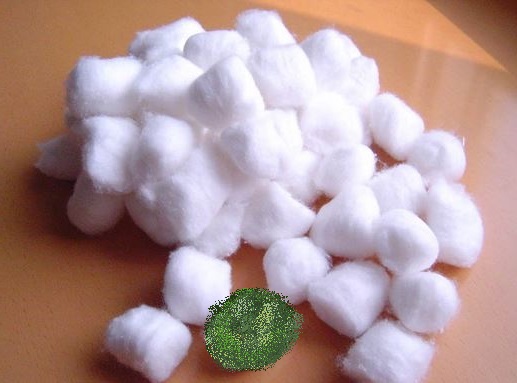
Lightly spray or brush them with muted greens and browns. When placed toward the rear of the layout, these soft shapes suggest distant trees and foliage without drawing attention to themselves… perfect for forced perspective.
4. Chain-Link Fences from Old Window Screen
If you have a damaged flyscreen or window screen, don’t toss it. Cut it into narrow strips and use it as instant chain-link fencing.
Glue the screen between posts made from toothpicks, matchsticks, or thin wire. Paint it a dull silver or light grey, then add a thin rust wash for realism. This technique is ideal for industrial areas, sports fields, scrap yards, or railway maintenance zones.
It’s a small detail that adds big realism for almost no money.
5. Pencil Shavings and Sawdust for Dirt and Mulch
Workshop leftovers like pencil shavings and sawdust make excellent scenery materials when used correctly. Finely chopped pencil shavings can represent dry leaves, bark, or forest debris.
Sawdust works well for dirt roads, footpaths, yard areas, or lightly used sidings. Sift it to get a consistent texture for your scale, then color it with diluted acrylic paint or wood stain if needed. Apply over glue and seal with a light mist of scenic cement.
6. Scrap Metal from Aluminium Foil
Crumpled aluminium foil can be transformed into convincing scrap metal. Roll small pieces into loose balls, compress them into irregular shapes, and glue them into piles.
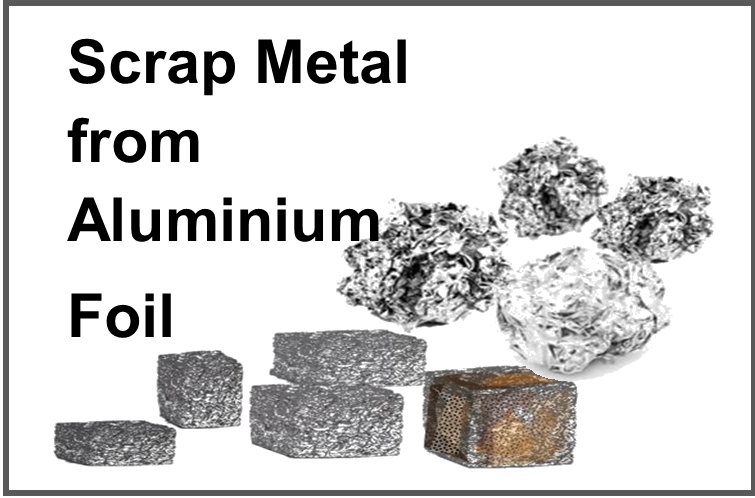
Paint them rusty brown, dark grey, or grimy black. Add these piles near workshops, yards, or industrial scenes. In smaller scales, this trick works especially well because the irregular shapes naturally hide the material’s origin.
7. Realistic Trees from Dried Weeds and Herbs
Some of the best model trees come straight from nature. Dried weeds, twigs, and flower stems… especially those with fine branching… make outstanding tree armatures.
Plants like Queen Anne’s Lace, yarrow, or similar dried stems are ideal. Spray them brown or grey, then apply spray adhesive and sprinkle with fine turf or flocking.
Each tree ends up unique, with a far more natural silhouette than many plastic alternatives. Best of all, they’re free.
8. Ground Cover from Dried Kitchen Herbs
Dried parsley, oregano, thyme, or basil can double as instant ground cover. Crush them finely and use them for weeds, undergrowth, or grassy patches.
They work particularly well in smaller scales where fine texture matters. Just be sure the herbs are fully dry, then seal them with scenic cement to prevent deterioration over time.
9. Corrugated Cardboard for Metal Roofing and Siding
Corrugated cardboard is a hidden gem for structure detailing. Peel away one flat layer to expose the ridged core, then cut it into panels.
Paint the panels silver, grey, or rusty brown to simulate corrugated metal roofing or siding. Add dry-brushed rust streaks or soot marks for extra realism. This technique works beautifully on sheds, warehouses, and industrial buildings, especially in HO and OO scale.
Big Results Without Big Spending
You don’t need expensive materials to build realistic model train scenery. With a bit of creativity and a willingness to experiment, everyday items can outperform many store-bought products.
By mixing textures, avoiding uniformity, and thinking like nature… not a manufacturer… you can create scenery that looks authentic, lived-in, and uniquely yours. Your layout will look better, feel more personal, and your budget will thank you for it.
Subscribe
Login
0 Comments
Oldest
SUBMIT YOUR QUESTION