Everything on model trains, model railroads, model railways, locomotives, model train layouts, scenery, wiring, DCC and more. Enjoy the world's best hobby... model railroading!
How to Use Realistic Textures to Transform Your Model Railroad Scenery
Ideas for more natural looking and smoother operating model train layout
One of the biggest differences between a basic model train layout and a truly impressive one is the use of realistic scenery textures. Texture brings your miniature world to life by adding depth, variety, and a natural appearance to the landscape surrounding your tracks.
When many hobbyists first build a layout, they focus mainly on getting trains running smoothly. Track is often placed on a flat board or benchwork surface to ensure reliable operation. This approach makes sense, because stable, level track helps prevent derailments and reduces maintenance problems.
But once the trains are running well, it’s time to start adding scenery. That’s where textures become essential. By introducing subtle variations in terrain, ground cover, and landscape features, you can transform a flat board into a convincing miniature world.
Let’s explore how to use textures effectively to make your model railroad scenery look more natural and realistic.
Start with a Smooth Track Foundation
Before focusing on scenery textures, it’s important to remember that track reliability always comes first. Real railroads spend significant time and effort creating a stable right-of-way so trains can operate safely and smoothly. Model railroaders should follow the same principle.
Your track should be:
- Firmly secured to the baseboard or roadbed
- Level and properly aligned
- Free from sudden dips or bumps
- Supported by quality roadbed material such as cork or foam
Once your track is installed and tested thoroughly, you can begin shaping the surrounding landscape.
Add Gentle Terrain Changes for Realism
While the track itself should remain stable and even, the land around it rarely is perfectly flat in the real world. Adding gentle terrain variations instantly improves the realism of a layout.
Small hills, shallow dips, and rolling contours create a more believable environment. These subtle changes can be formed using materials such as:
- Foam insulation boards
- Plaster cloth
- Lightweight scenery plaster
- Sculpted foam terrain
The key is to keep transitions gradual unless you intentionally want dramatic terrain such as cliffs or rocky cuttings. Smooth elevation changes help the scenery blend naturally together.
Create Hills and Rolling Countryside
Many model railroad scenes benefit from rolling hills or raised terrain areas. These features break up the visual flatness of a layout and give trains the appearance of traveling through real countryside.
Hills can be shaped using stacked foam layers or crumpled paper covered with plaster cloth. Once the basic shape is created, you can add textures such as:
- Static grass
- Ground foam
- Dirt and soil materials
- Small bushes and shrubs
These textures add visual variety and make the landscape feel organic.
Add Mountains and Rocky Features
Mountains are one of the most popular scenery elements in model railroading. The good news is that mountains don’t have to be perfect to look convincing.
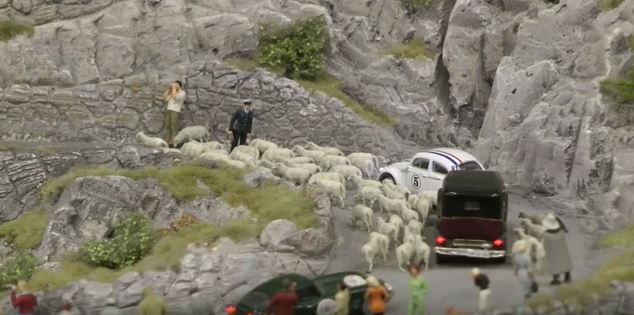
Nature itself is irregular, so jagged edges, rocky outcrops, and uneven surfaces actually make mountains look more realistic.
To build mountains, many hobbyists use:
- Carved foam blocks
- Plaster rock molds
- Sculpted plaster or hydrocal
Once shaped, the surface can be enhanced with paint washes, rock textures, and vegetation to create a rugged natural appearance.
Use Ground Cover Textures for Depth
Ground cover is one of the easiest ways to improve scenery realism. Instead of leaving surfaces painted a single color, use multiple textures to simulate natural terrain.
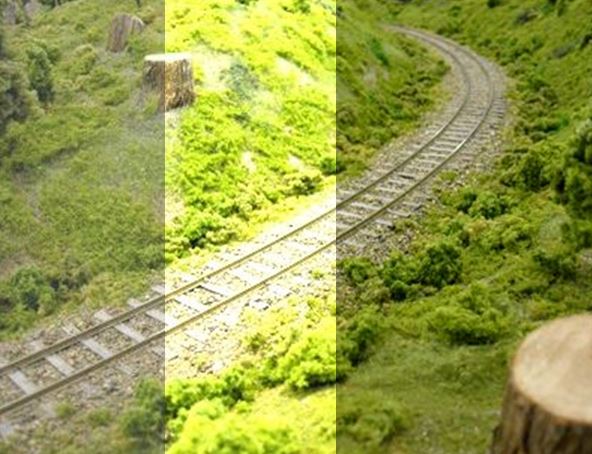
Common ground cover materials include:
- Fine and coarse ground foam
- Static grass fibers
- Scenic turf
- Ballast and gravel
- Natural soil or sand
Mixing several shades of green, brown, and tan prevents the scenery from looking artificial. Real landscapes rarely contain just one color.
Blend Different Texture Layers
One mistake beginners often make is applying textures in isolated patches. Instead, try layering and blending materials together.
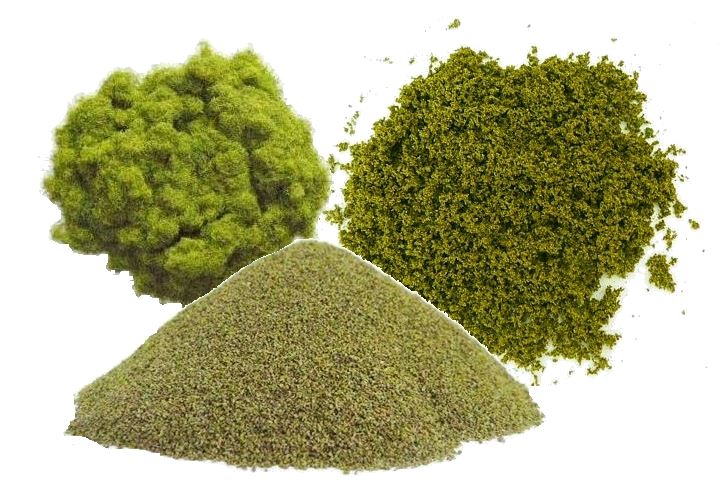
For example:
- Start with a base layer of earth-colored paint
- Add fine ground foam for grass areas
- Sprinkle small patches of coarse foam for bushes
- Add rocks or gravel for variation
Blending these layers together produces a far more natural look than using a single scenery material.
Use Realistic Rock and Soil Textures
Rock and soil features add an important sense of scale and realism to a layout.
You can create convincing rock faces by:
- Using commercial rock molds
- Carving foam to create stone textures
- Applying plaster and carving rock strata lines
Once dry, paint the rocks with thin washes of gray, brown, and black. This technique highlights natural cracks and crevices.
Adding small amounts of real dirt or fine gravel can also improve the realism of roadsides, riverbanks, and embankments.
Add Vegetation for Natural Variety
Vegetation helps soften the edges of scenery textures and makes landscapes feel alive.
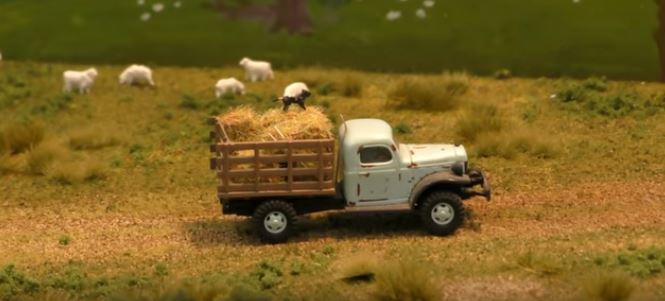
Consider including:
- Static grass fields
- Small bushes and shrubs
- Trees of varying heights
- Weeds growing near track edges
- Wild grass patches around structures
Nature rarely grows evenly, so placing vegetation in irregular clusters helps the layout look more authentic.
Don’t Forget Water Textures
Water scenes provide another opportunity to add texture and visual interest.
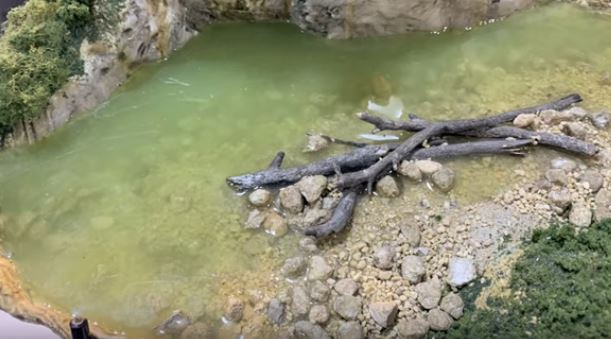
Small creeks, ponds, or rivers can be created using clear resin or water-effect products. Adding textured riverbeds, rocks, and plants along the banks enhances realism.
Even a simple drainage ditch beside the track can add character to a scene.
Final Thoughts: Texture Brings Your Layout to Life
A model railroad layout becomes truly impressive when it captures the variety and irregular beauty of real landscapes. While reliable trackwork should always remain smooth and level, the surrounding terrain and structures should reflect the natural world.
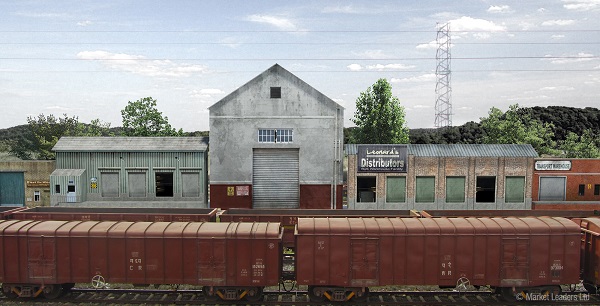
By adding hills, mountains, ground cover, rocks, vegetation, and layered textures, you can transform a plain board into a living miniature environment.
The best part is that scenery textures are forgiving. Nature is rarely perfect, and a little randomness often makes a layout look even better.
Take your time experimenting with different materials and techniques. With thoughtful use of textures, your model railroad scenery will look far more realistic, immersive, and visually engaging for anyone who watches your trains roll through the landscape.
Subscribe
Login
0 Comments
Oldest
SUBMIT YOUR QUESTION