
Everything on model trains, model railroads, model railways, locomotives, model train layouts, scenery, wiring, DCC and more. Enjoy the world's best hobby... model railroading!
13 Essential Model Train Tips Every HO Scale, N Scale, and OO Gauge Model Railroader Should Know
Simple Model Railroad Tips to Improve Train Operation, Realism, and Layout Building
Model railroading is one of those hobbies where small improvements can make a huge difference. Whether you’re building your first HO scale layout, experimenting with N scale scenery, or upgrading an OO gauge railroad, a few practical techniques can help your trains run smoother, look more realistic, and save you from frustrating problems later.
The great thing about model trains is that you never stop learning. Even experienced railroaders continue discovering better ways to lay track, wire layouts, improve scenery, and fine-tune rolling stock. The following tips are simple, beginner-friendly, and easy to apply, but they can dramatically improve the way your model railroad performs.
1. Start Small and Build Gradually
One of the biggest mistakes beginners make is trying to build a huge layout immediately. Large layouts take time, money, and planning. Starting with a smaller railroad allows you to learn valuable skills without becoming overwhelmed.
A compact layout also lets you experiment with scenery, wiring, weathering, and operations before expanding later. Many successful layouts began as simple starter projects that evolved over time.
2. Plan Your Track Before You Build
Good planning prevents expensive mistakes. Before laying a single piece of track, sketch your ideas on graph paper or use model railroad planning software.
Careful planning helps you avoid:
- Tight curves
- Poor access areas
- Awkward track arrangements
- Difficult wiring routes
- Operational bottlenecks
Even a rough plan will improve your layout dramatically and make construction much easier.
3. Keep Couplers Clean and Properly Aligned
Coupler problems are one of the most common causes of derailments and uncoupling issues. Inspect each coupler carefully and make sure they sit at the correct height.
A coupler height gauge can help ensure consistency across your rolling stock. Also check for:
- Bent trip pins
- Rough edges
- Stiff movement
- Loose mounting screws
Smooth, correctly aligned couplers help trains operate reliably through curves, turnouts, and grades.

4. Add Weight to Lightweight Freight Cars
Lightweight rolling stock often wobbles, bounces, or derails easily. Adding extra weight improves tracking and stability.
For best results:
- Keep the weight low
- Center it evenly
- Avoid interfering with wheel movement
Properly weighted cars run smoother and look more realistic when moving through curves and switches.
5. Finish Wiring Before Ballasting
It’s tempting to jump straight into scenery work, but complete your electrical wiring first. Test all rail joiners, feeders, and power connections before applying ballast or glue.
Trying to repair electrical faults after scenery is finished can become frustrating and messy. Careful preparation now saves major headaches later.
6. Add Realistic Track Weathering
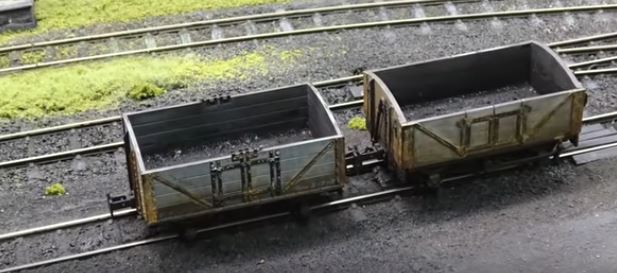
Fresh track often looks too shiny and toy-like. After ballasting, add weathering effects such as:
- Oil stains
- Rust tones
- Brake dust
- Dirt buildup
- Grease marks
A little weathering instantly gives your HO scale, N scale, or OO gauge railroad a far more authentic appearance.
7. Try the Toothbrush Weathering Technique
One simple but effective trick is using an old toothbrush to flick muddy paint onto freight cars, trucks, and lower body panels.
This creates realistic dirt splatter and road grime similar to what real trains collect over time. Use brown, dark gray, or earth-colored acrylic paint for best results.
Subtle weathering almost always looks more realistic than heavy over-weathering.
8. Install Feeder Wires Frequently
Many beginners rely too heavily on rail joiners for electrical power. Unfortunately, rail joiners can loosen over time and create voltage drops.
Instead, install feeder wires every few feet and connect them to a main power bus beneath the layout. This helps:
- Prevent stalls
- Improve DCC reliability
- Reduce flickering lights
- Ensure smoother train operation
Reliable wiring is one of the foundations of a dependable model railroad.
9. Label All Your Wiring
It may not seem exciting, but labeling wires is one of the smartest things you can do.
As layouts grow more complex, identifying wiring later becomes difficult. Small labels or colored wiring systems make troubleshooting far easier and help prevent mistakes during future upgrades.
10. Clean Your Track Regularly
Dirty rails quickly lead to poor electrical pickup and jerky train operation. Dust, oxidation, and grime build up faster than many hobbyists realize.
Regular cleaning with:
- Isopropyl alcohol
- Track cleaning blocks
- Soft cloths
- Track cleaning cars
will help maintain smooth and reliable operation.
Clean track equals happier trains.
11. Test Every Section as You Build
Never assume newly laid track is perfect. Run locomotives and rolling stock slowly over each section during construction.
Watch carefully for:
- Wheel lift
- Kinks
- Uneven joints
- Tight clearances
- Electrical dead spots
Fixing problems immediately is much easier before scenery and ballast are added.
12. Stop Tiny Screws from Loosening
Small screws in couplers, trucks, or motor mounts can gradually work loose from vibration.
A tiny dab of clear nail polish on the threads helps keep screws secure while still allowing removal later if needed. It’s a simple trick, but surprisingly effective.
13. Slow Down and Enjoy the Hobby
Perhaps the most important tip of all: don’t rush.
Model railroading is meant to be relaxing, creative, and enjoyable. Every layout improves with time, patience, and experience. Mistakes happen to everyone, even longtime hobbyists.
Take time to experiment, learn new skills, and enjoy the building process. The journey is just as rewarding as the finished railroad.
Final Thoughts on Building a Better Model Railroad
Whether you model HO scale, N scale, or OO gauge trains, these simple model railroad tips can help improve reliability, realism, and enjoyment. Small upgrades like better wiring, careful planning, realistic weathering, and smoother trackwork can transform an ordinary layout into something truly satisfying to operate.
The best layouts are not always the biggest or most expensive. Often, they’re the ones built carefully, thoughtfully, and with attention to the small details that bring a miniature railroad to life.
SUBMIT YOUR QUESTION

This is a great guide. This is the first time I have read about model trains. I find it really interesting.