Maintenance
Everything on model trains, model railroads, model railways, locomotives, model train layouts, scenery, wiring, DCC and more. Enjoy the world's best hobby... model railroading!

Club member Cameron asks this question:
“I have a number of steam and diesel HO scale locomotives of varying quality from different manufacturers. I’d really appreciate some hints on cleaning, lubricating and correct maintenance procedures of engines before I stuff things up. Thanks.”
Add your comments below.
If you would like to have your question on this blog (10,000 readers weekly), use the ‘Ask A Question’ link below each posting.
Club member Matthew R asks readers:
“I would like to know how to remove paint from N scale engine shells. The previous owner spray painted them and covered most of the details on the shell. I got them cheaply second hand off the net so shouldn’t complain. A messy job!”
The ASK A QUESTION link is under every post if you have a question you would like published.
Hanks asks readers:
“I’m looking for pictures of how to install an EM13 (Kato mobile decoder) and a FL12 (Kato interior light decoder) in a Kato N700A (item# 10-1174) bullet train. Google searches haven’t found anything!”
Roy posted this question:
“What is the best way to clean track – a track cleaning wagon, a rubber, or white spirit please?”
HO train buff Peter posts this question to readers:
“I replaced the small drive wheel gear on my Bachman 2-8-0. I have spent literally hours trying to get the timing or quartering right. The loco just will not run smoothly. I don’t want to purchase a quartering tool as they are super expensive to purchase where I live. Any advice will be appreciated.”
Ananda asks readers:
“I have several older Bachmann locos with worn out gears. Bachmann does not carry spares for them. Does anyone else have this issue and if so, what was the remedy? Thanks for any feedback”
Ben asks readers:
“I know I must be doing something wrong because my solder joints look dull and kind of grainy. Any tips?”
Patty asks readers:
“Is there a way for an amateur to change couplers? And what are the best kind? I have two different kinds in HO and would like to have all the same. I am a real novice at this. Thanks in advance.”
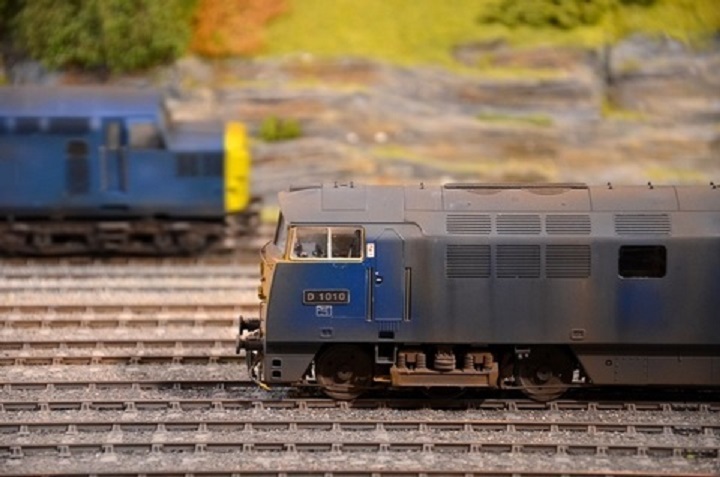
Model locomotives are usually well made, durable, and give good service over a long life. Like any electro-mechanical item, they do have problems from time to time.
The first thing to look for is dirty wheels. For good running you need good electrical contact between the wheels and tract, so both should be clean. As the track gets dirty, the wheels pickup the dirt, and dirt causes poor contact between the wheels and the track. Use a brass brush to clean the wheels, not sandpaper or a file, as they would cause scratches on the wheels, which would just attract more dirt.
The next step in finding locomotive problems is observation. Watch it in operation, on straight track and curved. Does it jump or stall going through turnouts? Get down to track level and watch it slowly run by. Does it wobble, jerk, crab sideways? You won’t know what to fix until you know what the problem is.
Before taking your locomotive apart, take a good look at how it is put together.
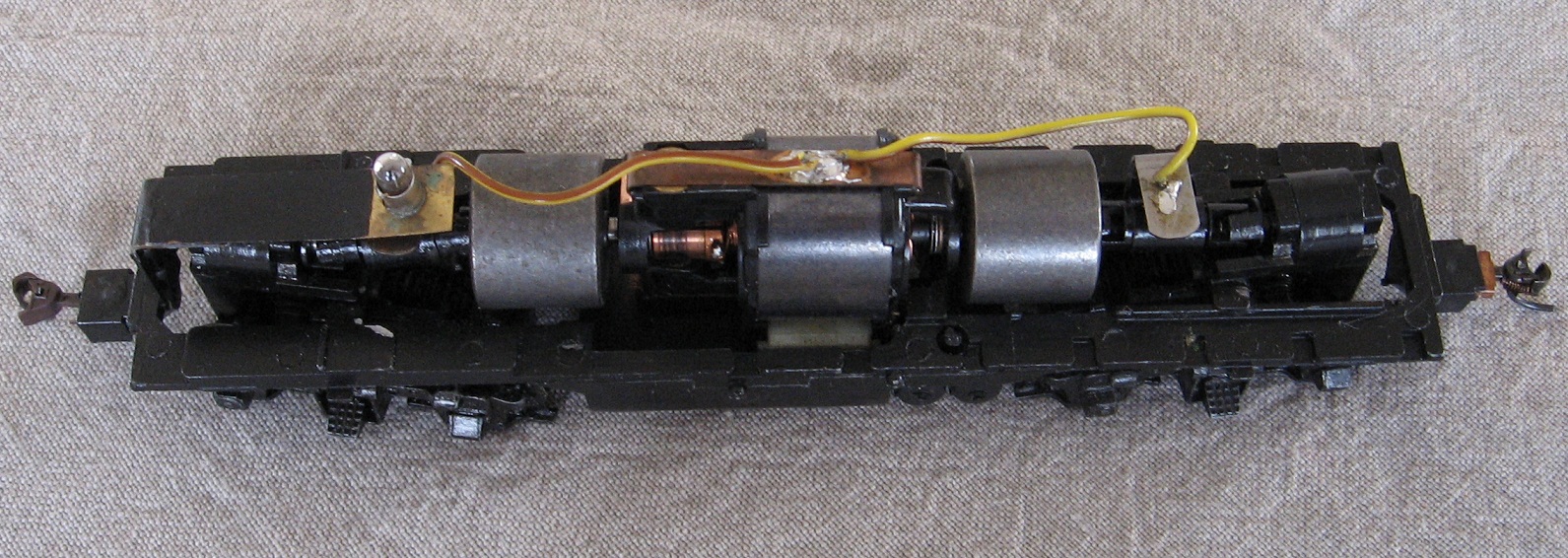
Take a digital picture of each step, so you will know what goes where, when the time comes to put it all together again.
Many screws and parts are very small, and easily lost if dropped on carpet. You might want to place an old bed sheet on the floor to aid in finding any items dropped.
Use a small cake pan to hold the parts and store the locomotive between work sessions.
Clean the individual parts with a lint free cloth, cotton swab fibers are bad. A lot of the screws in a model locomotive have very fine threads and go into soft metal or plastic parts. Use caution when tightening screws so you don’t strip the threads.
Add your comments
Walter J sent in his tip to share:
 “I don’t lubricate my trains with heavy oils as it can leave too much of waste between gears and wheels, which will do more harm than good. You can use a thin oil but D-40 is too thin to provide proper lubrication for the wheels. I use sewing machine oil but if you are looking for a branded lubricant, consider buying Labelle model train oil as it is one of the best you get in the market. That’s my opinion anyway. What do others think?”
Add your reply to Walter’s post.
Roger sent in this tip for a cheap loco wheel cleaner.
“Take a copper brush, and cut out center bristles. Thread a copper wire through the bristle base, making each set one hairy conductor!
Add a jump lead and crocodile clip to each side. Power up your railway, clip one to each track. Hold the loco with wheels touching brushes and off it goes. Great for older loco’s that have been left standing.”
Add your comments.
 If you have a model railroad question you would like answered, then use the link on this blog to submit your question. If you word your question carefully and provide some useful details, then chances are someone reading this blog will offer a solution. Only the best question will be published. Please spell check your question before submitting it to the blog moderator for approval.
The link to submit your question is on this page.
Ryan has put together this helpful tutorial for avoiding derailments on a model train layout. The video includes some excellent layout scenes. Feel free to pass it on to friends. Enjoy!
It is really handy to be able to easily move your layout (or sections of it) if required. Most people discover this when they move house. Moving the furniture is easy, but moving a layout can be problematic.

This informative manual describes how to build a mobile model train layout, so you don’t have to begin again when you move house. You can read how a modular train layout can save you money as well as taking up less space.
You’ll really enjoy this! It includes photos, tips and a layout plan included. Get it now for free when you join my online Model Train Club.
Alvaro has a question that has been answered many times before on this blog and in the online train club. Perhaps readers might like to add there answers here.
Alvaro asked: “I’m having problems with the cleaning of rails and railway wheels of locomotives. What are the products I can use?”
Add your answer below.
John asks readers for their views:
“I recently purchased a vintage loco which has an accumulation of dirt on the body, from years of exposure. What is the best method of removing the dirt and dust, without damaging the finish?”
Comment below.

Thanks for all those kind emails and messages from the many club members who enjoyed the ‘Model Train Tips And Techniques‘ e-book. Members who haven’t downloaded the e-book can do so for free. Just log in to claim the free e-book. If you are not yet a member, just follow the link to join, and then you can log in to download the e-book. It is packed with great ideas!