Everything on model trains, model railroads, model railways, locomotives, model train layouts, scenery, wiring, DCC and more. Enjoy the world's best hobby... model railroading!
Kevin is interested in converting to DCC and asks readers for advice:
“I have absolutely no knowledge of DCC. My current small layout is using DC power, but I am thinking that as I want to expand my layout etc. I should look into DCC. What is needed? And, is this a good thought. I only have 2 locos at this stage so to either sell them or convert would not be a major hassle. I would also like to use Bachman track as I do have some at present and like it’s style but find that it is most dificult to locate 3 foot lengths. Do thay make it and where would one be able to check it out.”
Comment below.
Michael has a question for readers:
“I started with a G scale set but have now realised there are a lot more (accesories) and trains for HO modules. There are some Bachmann and Marklin set I’m interested in buying. My question is can they be interchanged as they are both HO scales?”
Comment below.
Timothy has a question for experienced model railroaders and asks:
“I just retired few months ago after almost 30 years with postal service, I decide to make train model for my hobby. Here is question, I’m going use my old bedroom door, layout size is going to be 36 in wide and 80 in long, what you would recommend size for gauge for that size. Also which train set I should use for first time?”
Add your comments below
Remember if you see something you like on this blog and you would like to share it with friends in the hobby then your welcome to use the facebook and twitter buttons bellow each posting.
Also if you have a website you make like to add the RSS feed in the top right hand column. To add a live feed of this blog to your own model train website.
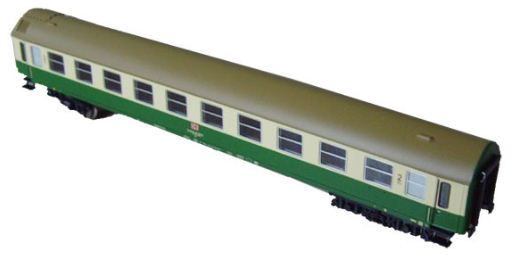
Charles would like help from anyone with experience putting lights into passenger cars and asks:
“I would like to install interior lighting in some of my HO scale passenger cars. Is there a set of How To instructions that I could use as a guide in doing the installation of the lights?”
Add your suggestions below.
 Andy wants guidance from readers to convert his Baldwin Shark loco to DCC. Andy asks:
“I would like to convert my ModelPower Baldwin Shark to DCC. It has a large can type motor with two wires and the headlight wire exposed. I only want power and lighting; I don’t need sound. Any help I can get to do this will be greatly appreciated.”
Pictured is the Bachmann HO Scale DCC Pennsylvania RR Baldwin RF-16 A Unit Shark Diesel Locomotive from Bachmann. The distinctive nose contours of Baldwin’s RF-16 diesels earned them the name “Shark”. These powerful freight hauling locomotives were built in the early 1950s and saw service hauling coal, ore and other heavy loads.
Don would like help from a knowledgeable reader and asks:
“Every once in awhile the train will stop at turnouts. Why is this and how do I solve the problem?”
Add your suggestions below.
Paul wants advice on building walls:
“Some years ago I bought a railway depot in France and although new to model railways I am trying to scratch build the area as authentically as possible but am having problems building walls – Can anyone suggest a good thorough reference or book dealing with this subject? Scenery building perhaps.”
Add your suggestions below.
Ben has a ceiling layout and wants help from an experienced railroader:
“I have a train going around the ceiling. The trouble I get is drop outs along the route as in it stops and goes and at times does run. How do I get flawless power running along the tracks. I had the Engine gone through and cleaned about four years ago. I have cleaned the tracks and still have drop outs. Please help?”
If you can advise Ben, then use the green Comments link below to add your thoughts.
Use the buttons below this posting to share this post with friends on Twitter and Facebook.
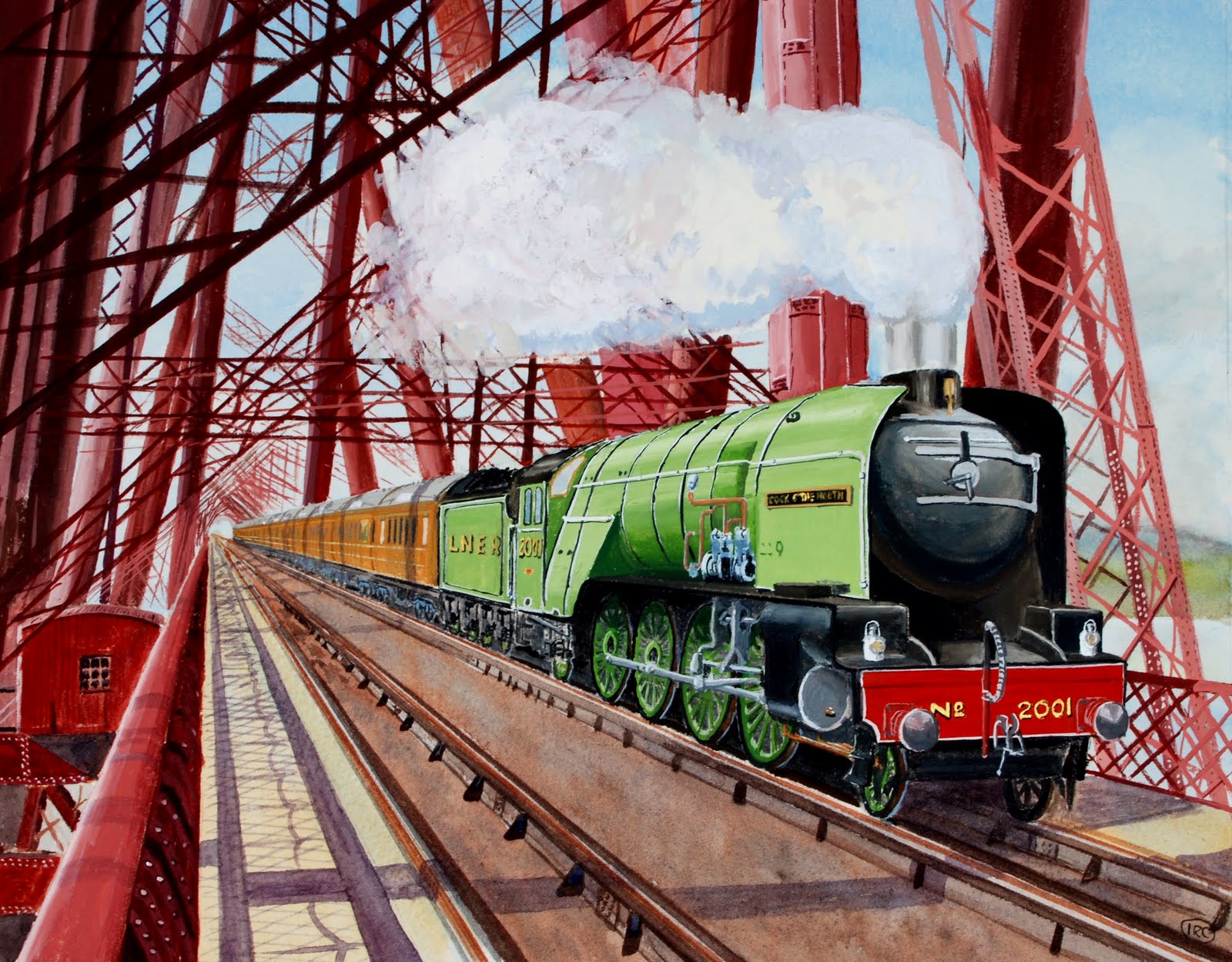 Above: Painting by Ian Cook Cock o’ the North on the Forth Bridge in watercolour and gouache.
 John has sent in this wonderful contribution that I’m sure everyone will enjoy:
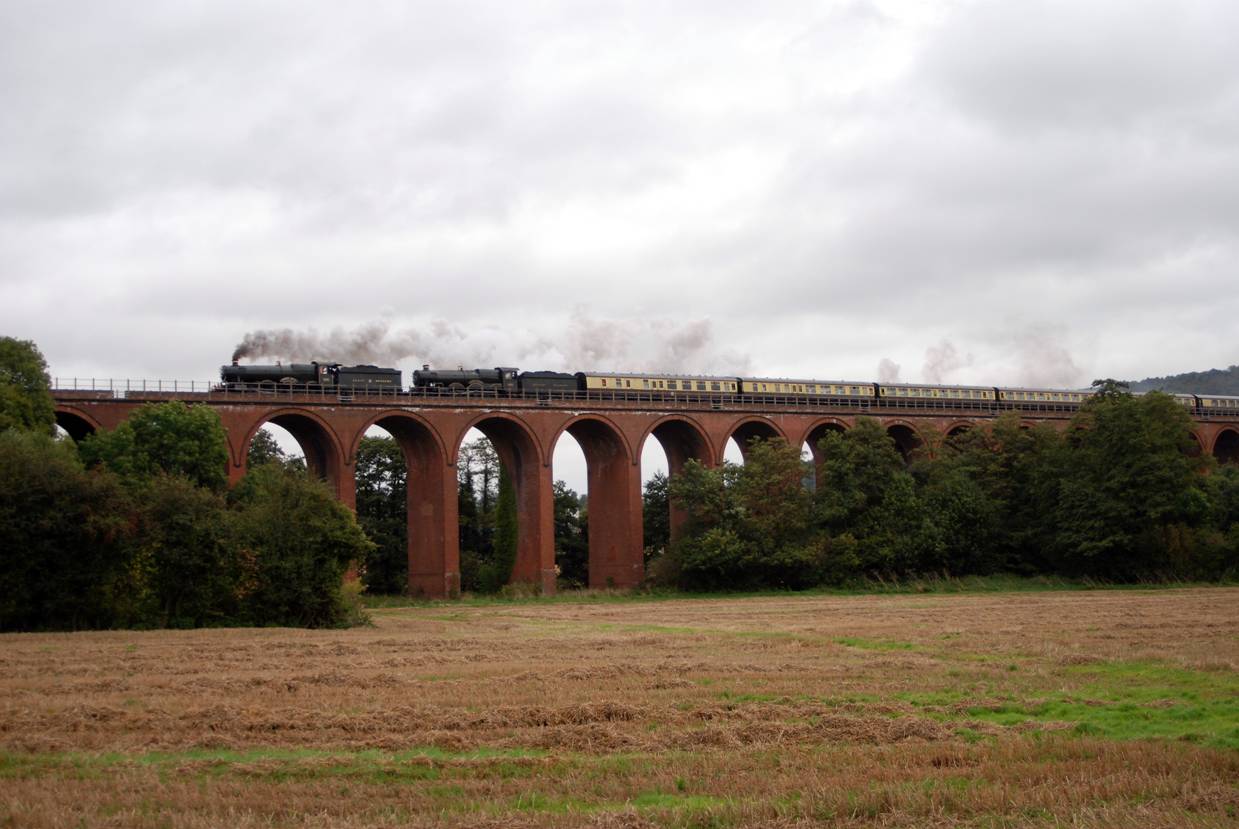 The photos were taken by my friend Ian Cook who is making his name as a railway artist. I have seen some of Ian’s paintings and you can almost catch a whiff of that unmistakeable smell of smoke, steam and hot steam oil.
The locomotive is LNER no. 2001 Cock ‘o the North, Gresley P2 class 2-8-2, a very powerful machine indeed.
Doubtless you recognise the location 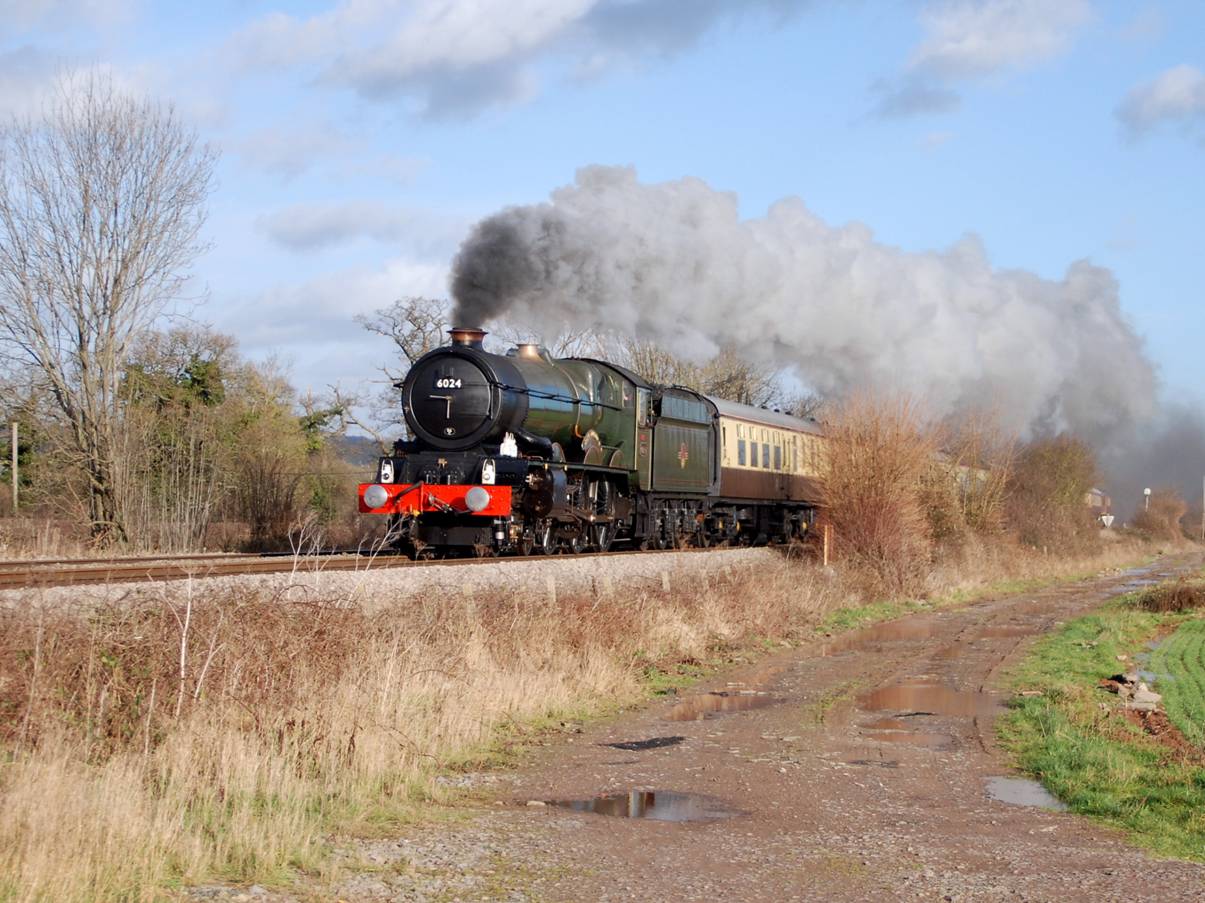 – it is, of course, the mighty Forth Bridge in Scotland. Sadly none of the P2 class were saved although the enthusiasts have begun to build new. The Peppercorn pacific Tornado no. 60163 is the first of these new generation locos and because it uses modern construction techniques like a welded boiler and roller bearings in place of white metal journals, is proving itself a great mainline contender.
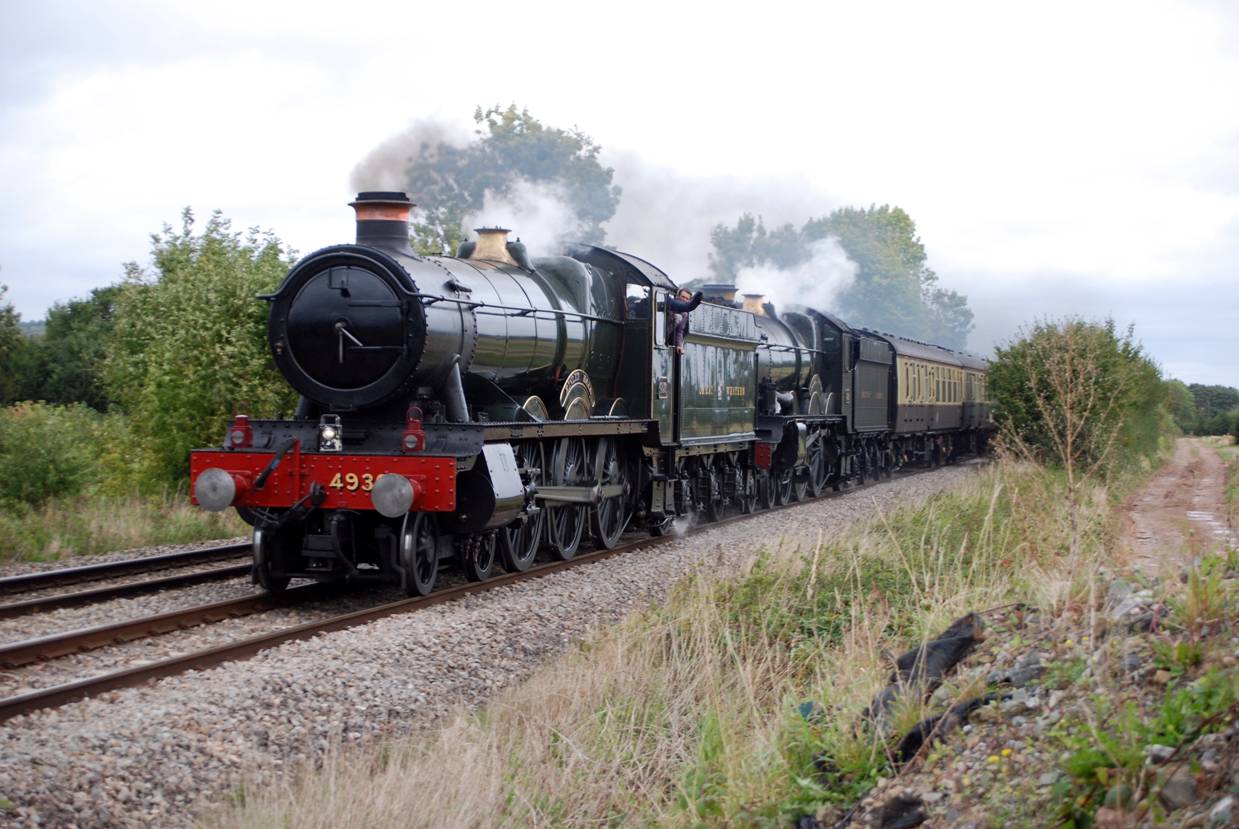
 There are about eight Halls still running or in overhaul and about six Castles. All will run from time to time when in possession of a boiler certificate. Steam locomotive operation on “Heritage” trains with fare paying passengers on board is a tremendous business now here in the UK. British Rail have realised the earning potential of steam trains and all the old barriers to operation by restored steam have been dropped.
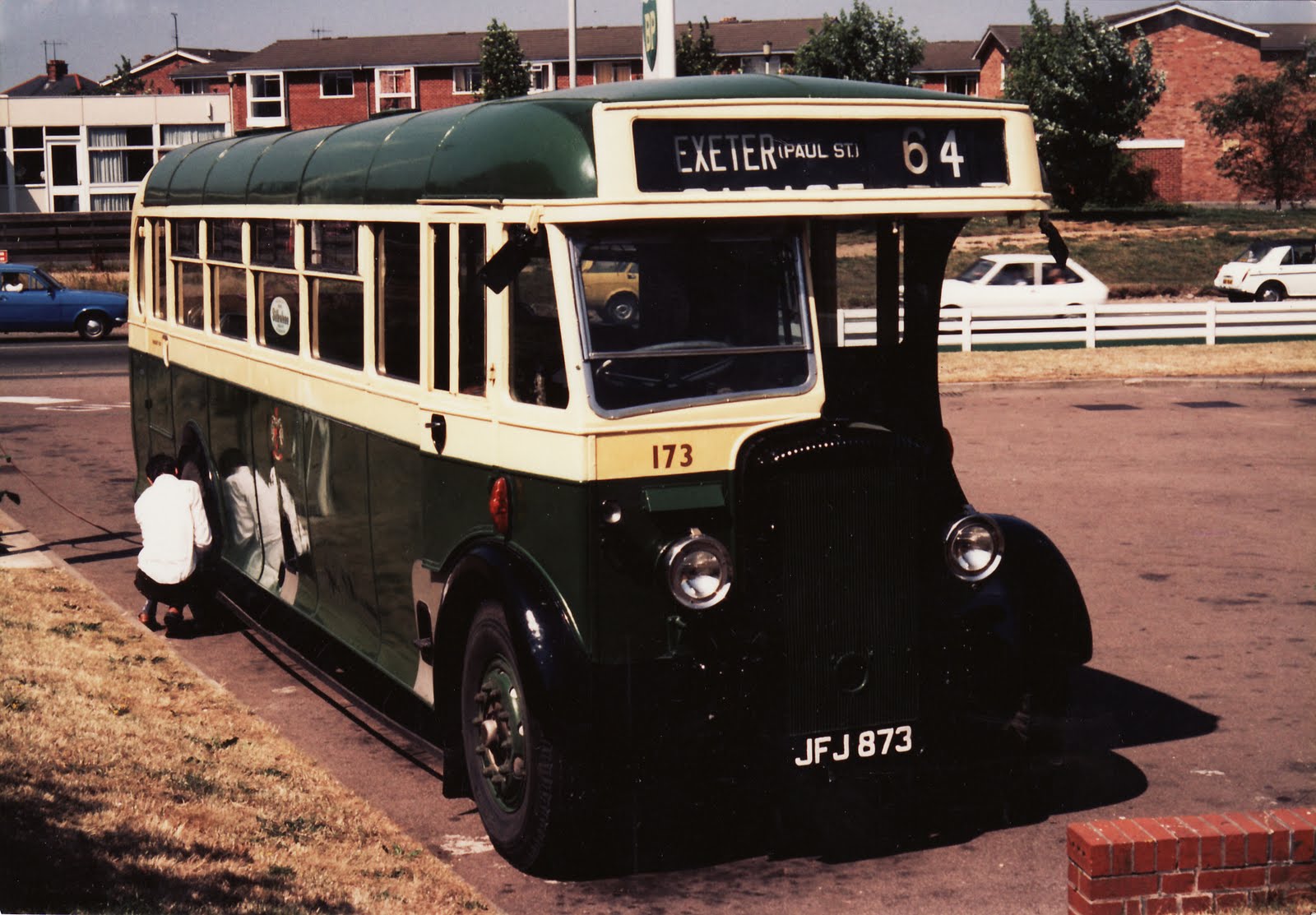
Ian used to own the heritage Daimler bus pictured here.
There are about eight Halls still running or in overhaul and about six Castles. All will run from time to time when in possession of a boiler certificate. Steam locomotive operation on “Heritage” trains with fare paying passengers on board is a tremendous business now here in the UK. British Rail have realised the earning potential of steam trains and all the old barriers to operation by restored steam have been dropped.
Ian used to own the heritage Daimler bus pictured here.
Share this with your friends on Facebook and Twitter. Use the buttons below.
Recommend model train ebook.
Here’s a good question from Joel on track oxidization. If you can help him please use the green comments link below this posting. Also share this with your friends on Twitter and Facebook. See buttons below.
“I live in South Florida and have a tough time keeping the nickel track from oxidizing. I have an N scale layout with a lot of track, yet before each operating session I have to spend a tremendous amount of time cleaning track. And, with some of the tight spaces on a well detailed N scale layout, that can mean damage. I actually run two track cleaning cars but that’s only good once the oxidaion is removed. Anybody use a good technique to prevent or reduce oxidizing?”
Mike wants some guidance on lubricating model trains and asks:
“I have some older trains(N/HO). Is there a basic diagram I can follow: Where to oil and lube (what parts of the engine and cars?).”
Add your suggestions below.
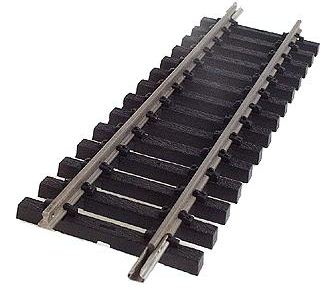
For the mainline, you can have straight parallel tracks quite close. On a mainline less distance between parallel tracks might cause problems if a train on one track derails – it is more likely to foul the adjoining track and cause any trains running on the adjoining track to derail. In yards and industrial areas it is an advantage to have a little more space between sidings and spurs to allow the removal of cars with your hands without knocking cars on other tracks.
Share this posting with your friends using the Twitter or Facebook links below.
Nel wants some advice from experienced model railroaders and asks:
“I am lookling for a source of marker lights for the front of a locomotive boiler and piping details for under each side of cab for Williams by Bachman N & W J as found on top of line 0-gauge J models. I have added similar details to my Lionel N & W J but that source (MTH) can no longer help . It took guts to drill holes in the cab of a $1000 model cab in order to mount the marker lights and the piping details had to be modified slightly in order to fit but God is in the details!”
Comment below and share this with your friends on Facebook and Twitter. See buttons below.
Douglas
“I just purchased a used Lionel KW transformer. Both sides work great. My question is; is there a test for the train horn? I cannot get it to work. I have a new diode if i need to put it on but I want to know for sure that is the problem before I do that work. Is there another area I should look before replacing the diode? Thanks.”
Experienced model railroaders can comment below.
Mary Beth was inspired by the earlier posting on adding people to a model train layout and asks:
“Where I can get scale model people for my train layout?”
Ron sounds like he urgently needs to read the Model Train Help ebook that will all of his questions and more. However, in the meantime, maybe someone could give him some helpful pointers to get him started:
“I am so new to this hobyy and am not sure were to start. I have two old N scale trains from my youth and also some new track, given to me. I have a limited space in the basement and not sure if I want to stay with N gauge. I am not sure what the new digital stuff is and what it works on? What is needed to make it work? How do I find out what I need to know? See I told you I am a rookie.”
Readers can add their feedback below. Also share these postings on Facebook and Twitter. See the buttons below.
This is a low-cost way to weather freight cars. Remove the bright shine from freight cars with this weathering technique (practice on an old car first).
Apply some white water based house paint (just a small amount) to a small brush. Then dip it in water and give it a good soaking. However, don’t wash all the paint off. Starting with the roof brush it over the model. Use downward strokes to brush it to the bottom of the wagon. Don’t worry if it run’s down the sides as you can wipe away spillages with a piece of kitchen paper towel.
Then get some Woodland scenics water based ground dye (burnt umber is a good choice). Add a few drops in a paper cup with a small amount of water. Then paint this mixture over the wagon like you did with the white mixture. You want a dirty looking mix.
After you have covered the wagon you can brush the model with a very diluted down mix of brown. Brush it on starting at the top. Use a very wet brush and all the colors should start running down the side. Paint some on rivet lines, the door edges, and other places that would normally attract rust or dirt and grime. Use a paper towel and soak up the spills.
You could even use this technique on the trucks and wheels, but you might want to use a “rust” looking color on the wheels.
More model railway tips in the Model Train Help ebook.
Here’s your chance to take part in our latest poll (see poll in the right hand column). You can also see the LIVE results.
In this latest poll you can choose your favorite brand of model trains. You can also use the Twitter and Facebook links below this posting to share this with your friends. They might want to vote too.